Unplanned equipment downtime at an active industrial site doesn’t just cost you the price of a repair—it halts production. When excavators in a quarry, loaders at a construction site, or critical DG sets at a pharma plant run out of fuel because your Diesel Dispenser is malfunctioning, the financial drain multiplies by the hour. Pilferage, inaccurate batching, and hazardous leaks compound the issue, turning a simple refueling asset into a liability.
For Indian plant managers and fleet operators, relying on a robust Diesel Dispenser requires more than just installation; it demands a disciplined preventive maintenance strategy. With site conditions ranging from 45°C summer heat and heavy monsoon humidity to aggressive silica dust and severe voltage fluctuations, passive maintenance is a risk you cannot afford. This guide provides a highly detailed, actionable maintenance roadmap to keep your fluid handling investments compliant, highly accurate, and continually operational.
Quick ROI Snapshot: Preventive Maintenance
- Typical preventive maintenance cost: ₹12,000 – ₹18,000 annually (spares and labor).
- Cost of a single critical failure (downtime + emergency repair): ₹45,000+ (excluding lost production).
- Accuracy savings: Preventing a 1% calibration drift on a dispenser handling 5,000 liters daily saves approximately ₹1,35,000 per month in unaccounted fuel inventory.
- Typical payback period: Immediate (usually recovered within the first month through accuracy retention and zero downtime).
1. Product Overview and Critical Wear Components
Before implementing a maintenance schedule, it is vital to understand the engineering parameters of your equipment. Achievers' Diesel Dispenser systems are Weights and Measures Approved by Legal Metrology (Govt. of India), which means they are legally bound to tight tolerances. Whether you are operating a 12V DC mobile bowser for rural infrastructure projects or a fixed 220V AC unit for factory DG sets, the core components face immense mechanical and electrical stress.
| Specification | Technical Value | Maintenance Implication |
| :— | :— | :— |
| Flow Rate | 20 to 60 L/min | Dropping below 20 L/min indicates strainer blockages or pump vane wear. |
| Accuracy | ±0.5% | Requires clean fluid and regular calibration verification to remain within Legal Metrology limits. |
| Power Source | DC 12V, DC 24V, AC 220V | DC requires battery/alternator checks; AC requires voltage stabilizers in rural Indian grids. |
| Inlet / Outlet | 25mm | Standard sizing; O-rings and flange seals must be checked for vacuum leaks. |
| Delivery Hose | 4 m Rubber Hose | Highly susceptible to UV degradation, vehicle run-overs, and dry rotting. |
| Totalizer | Volume: 9 digits, Amount: 11 digits | Electronic displays are sensitive to moisture ingress during monsoons. |
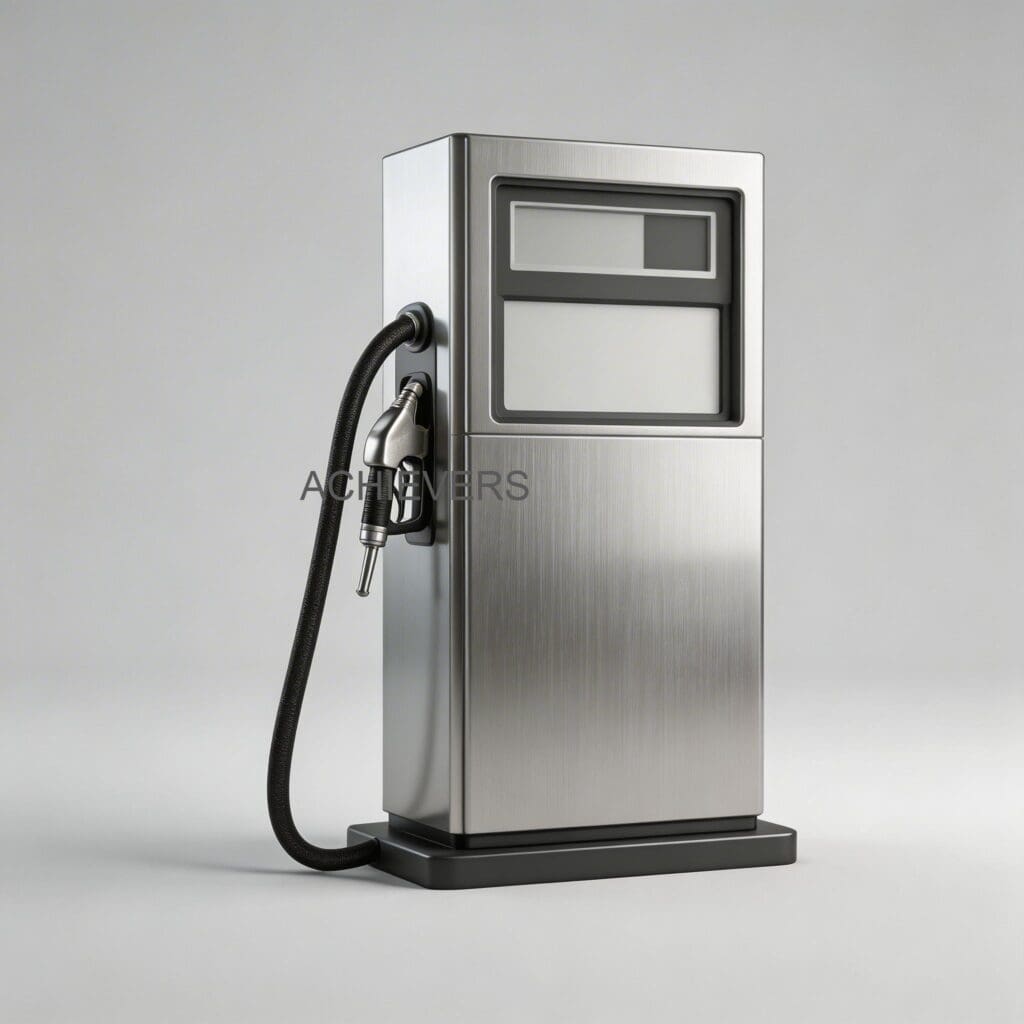
Critical wear components include the internal strainer mesh, the pumping vanes (in integrated pump units), the flow meter measuring chamber, the 4m rubber delivery hose, and the dispensing nozzle. When these components degrade, the primary symptoms are loss of flow speed, noisy operation, and metering drift.
Common Mistake to Avoid
Removing or bypassing the inlet strainer because it "clogs too often" in dusty Indian mining environments. The strainer is the only line of defense for the precision flow meter. Bypassing it allows particulate matter to score the measuring chamber, permanently destroying your ±0.5% accuracy and requiring a complete, expensive meter replacement.
2. Preventive Maintenance Schedule
Transitioning from reactive repairs to preventive maintenance requires a structured approach. Assigning specific tasks to operators versus trained technicians ensures accountability and safety. Below is a comprehensive, Legal Metrology-compliant maintenance schedule tailored for Indian industrial environments.
| Task | Frequency | Responsible | Est. Time | Notes |
| :— | :— | :— | :— | :— |
| Visual Inspection & Leak Check | Daily | Pump Operator | 5 mins | Check 25mm inlet flanges, hose joints, and nozzle for weeping diesel. |
| Keypad & Display Check | Daily | Pump Operator | 2 mins | Ensure preset amounts (0-999999.99) can be entered and LCD is legible. |
| Hose & Nozzle Inspection | Weekly | Maintenance Tech | 10 mins | Inspect 4m rubber hose for bulges, cracks, or UV damage. Clean nozzle spout. |
| Strainer / Filter Cleaning | Bi-Weekly | Maintenance Tech | 20 mins | Crucial for mining/construction sites. Clean mesh thoroughly. |
| Voltage / Power Supply Check | Monthly | Electrician | 15 mins | Check DC 12V/24V battery terminals for corrosion, or AC 220V earthing. |
| Calibration Verification | Monthly | Quality/Audit Team | 30 mins | Dispense into a PESO-approved 20L measure to verify ±0.5% accuracy. |
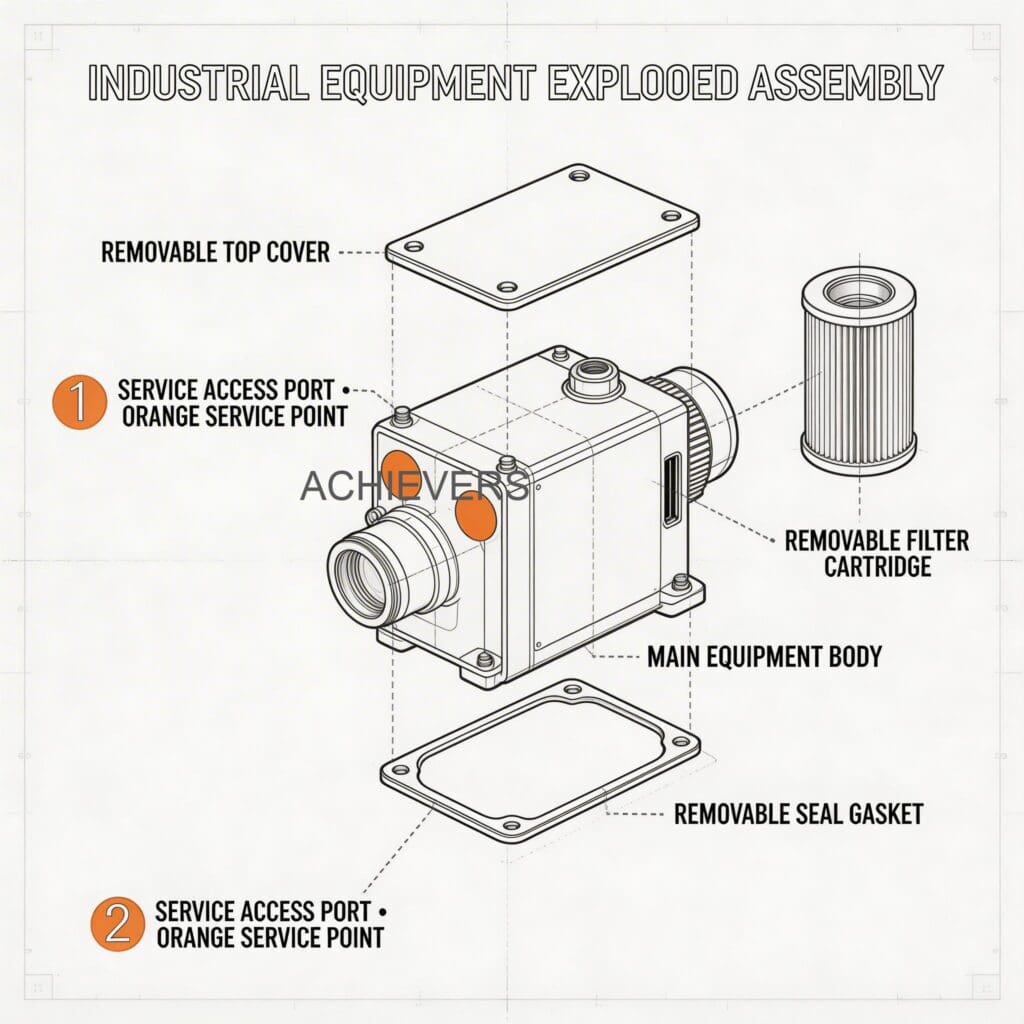
| Internal Seal Inspection | Quarterly | Certified Tech | 45 mins | Inspect pump housing and meter O-rings. Replace if brittle. |
| Motor & Vane Inspection | Bi-Annually | Certified Tech | 60 mins | Check for unusual noise, heat generation, or worn bypass valves. |
| Legal Metrology Re-stamping | Annually | L.M. Inspector | 2 Hours | Mandatory Govt. of India compliance to keep seals intact and certified. |
| Full System Overhaul | Every 2 Years | OEM / AMC Provider | 4 Hours | Deep cleaning, full seal kit replacement, hose replacement regardless of wear. |
3. Step-by-Step Procedures for Key Tasks
Proper execution of maintenance tasks prevents secondary damage. Ensure all personnel wear appropriate PPE (nitrile gloves, safety glasses) and adhere to site-specific fire safety protocols before beginning work.
Procedure 1: Safe Strainer and Filter Cleaning
A blocked strainer restricts flow, forces the pump to work harder, and causes cavitation which can damage internal components.
- Isolate Power: Turn off the dispenser and disconnect the power supply (remove battery leads for 12V/24V DC units, or lock out the breaker for AC 220V units).
- Close Isolation Valves: Shut the main ball valve coming from the diesel storage tank to prevent gravity feeding.
- Relieve Pressure: Squeeze the Fuel Nozzles into an approved container to relieve any trapped line pressure.
- Access the Strainer: Locate the 25mm inlet strainer housing. Place a spill tray underneath to catch residual diesel.
- Remove the Cap: Carefully unscrew the strainer cap. Inspect the housing O-ring for any signs of flattening or tearing.
- Extract and Clean: Remove the wire mesh cylinder. Wash it in a clean solvent (or clean diesel) using a soft bristle brush. Do not use compressed air if it might tear the fine mesh.
- Reassemble: Seat the cleaned mesh back into the housing. Apply a light coat of diesel-compatible grease to the O-ring and tighten the cap securely.
- Prime and Test: Open the isolation valve, restore power, and dispense 5 liters to purge air from the system. Check the cap for any weeping leaks while under pressure.
Procedure 2: Field Calibration Verification
Maintaining the ±0.5% accuracy rating is critical for inventory control and preventing pilferage. This should be done using a certified, dent-free 20L volumetric measure.
- Level the Test Measure: Place your PESO-approved 20L test measure on a perfectly flat, level surface near the dispenser.
- Wet the Measure: Dispense 20 liters into the measure to wet the internal walls, then empty it completely, letting it drain for exactly 30 seconds.
- Set the Preset: Enter a preset volume of exactly 20.00 Liters on the dispenser's electronic keypad.
- Dispense Fuel: Dispense the fuel at maximum flow rate (up to 60 L/min) directly into the test measure until the automatic shut-off engages.
- Settle and Read: Allow the fuel foam to settle for 1-2 minutes. Read the bottom of the meniscus on the gauge glass of the test measure.
- Calculate Variance: If the totalizer reads 20.00L, the physical volume in the measure should be between 19.90L and 20.10L to remain within ±0.5% accuracy.
- Document the Reading: Log the temperature of the diesel and the volume variance in your maintenance ledger.
- Calibrate if Necessary: If the variance exceeds ±0.5%, do not attempt mechanical adjustments if the unit is sealed by Legal Metrology. Contact your authorized service provider to break the seal, perform electronic/mechanical calibration, and arrange for official re-stamping.
4. On-Site Spare Parts to Stock
Supply chain delays in remote Indian locations (like mining belts in Odisha or construction sites in the Himalayas) can turn a 20-minute repair into three days of downtime. Keep these high-mortality parts in your local inventory.
| Part Description | Type | Recommended Qty | When to Replace |
| :— | :— | :— | :— |
| 4m Rubber Hose assembly | Consumable | 2 per dispenser | When outer jacket cracks, bulges appear, or fittings leak. |
| 25mm Inlet/Outlet O-Rings | Fast-wear | 5 sets | Whenever a joint is opened or if vacuum leaks occur. |
| Filter / Strainer Mesh | Fast-wear | 3 units | If mesh tears, rusts, or cannot be fully cleaned of sludge. |
| Auto-Shutoff Nozzle | Wear part | 1 spare unit | If it fails to shut off, drips continuously, or the latch breaks. |
| Control Board Fuses | Electrical | 10 units | After power surges or if unit fails to power on. |
| Electronic Keypad | Electronic | 1 spare | If buttons become unresponsive due to dust or water ingress. |
Integrating these spares with your Fuel Flow Meter maintenance stock ensures your team is always ready for rapid, on-the-spot interventions.
5. Diagnosing Maintenance-Related Failures
Even with a maintenance schedule, extreme operational demands can cause sudden issues. Use this troubleshooting table to trace symptoms back to missed maintenance tasks and take immediate corrective action.
| Failure Symptom | Most Likely Cause | Corrective Action |
| :— | :— | :— |
| Flow rate drops below 20 L/min | Severely clogged inlet strainer or filter. | Isolate system, remove strainer, clean thoroughly, and reassemble. |
| Pump runs but no fuel dispenses | Air leak on the suction side (25mm inlet). | Check all inlet flanges and tighten; replace damaged O-rings. |
| Totalizer volume doesn't match physical delivery | Meter wear or bypassed strainer causing debris damage. | Perform 20L calibration check. If erratic, replace measuring chamber. |
| Dispenser fails to power on | Blown fuse or heavily corroded battery terminals. | Check DC connections/AC stabilizers. Replace fuse. Clean terminals. |
| Fuel weeping from dispenser housing | Degraded internal seals due to harsh chemicals or dry running. | Lockout equipment. Perform full seal kit replacement. |
| Keypad unresponsive / Erratic display | Moisture ingress from heavy monsoons or pressure washing. | Dry out the electronic head. Ensure weather seals around LCD are intact. |
6. Extending Service Life in Indian Conditions
India’s industrial operating environments present unique challenges that will rapidly degrade fluid handling equipment if not proactively managed.
High Ambient Temperatures & Sunlight:
In northern and central India, summer temperatures often exceed 45°C. Direct sunlight causes the 4m rubber hose to degrade through UV exposure and dry rot. Furthermore, diesel expands in the heat, which can cause pressure build-ups. Ensure your bowser or fixed dispenser has a protective canopy or is parked in the shade. Always relieve hose pressure after dispensing.
Dust and Particulate Matter:
Construction sites and cement plants feature high levels of airborne silica dust. This dust acts as an abrasive paste when mixed with leaked diesel. Implement strict housekeeping. Wipe down the preset keypad daily—heavy dust ingress behind the buttons is a leading cause of electronic failure.
Power Quality Issues:
If you are running the AC 220V variant, voltage fluctuations on rural Indian grids can fry the internal relays and display boards. Always install a dedicated voltage stabilizer (servo type) for stationary dispensers. For 12V and 24V DC units mounted on trucks, ensure the vehicle’s alternator is delivering clean, regulated voltage and the battery terminals are coated with petroleum jelly to prevent sulfation.
Monsoon Challenges:
Humidity and torrential rain lead to water condensation inside fuel tanks. Water is heavier than diesel and settles at the bottom. If the dispenser pulls this water, it causes rapid rusting of the pump vanes and flow meter internals. Drain your main tank sumps regularly, and consider installing a water-absorbing filter element on the 25mm inlet during the monsoon season.
Adulterated Fuel Handling:
Unfortunately, contaminated or adulterated diesel is a reality in certain regions. Solvents or aggressive chemicals mixed into fuel will attack standard rubber O-rings, causing them to swell and fail. If you suspect fuel contamination, increase your seal inspection frequency and talk to your OEM about upgrading to Viton or Teflon (PTFE) seals.
FAQ
Q: Can my on-site mechanics perform the Legal Metrology calibration?
A: No. While your mechanics can verify the accuracy using a 20L test measure, any mechanical or electronic adjustment that breaks the Legal Metrology seal must be done by an authorized service provider, followed by official re-stamping by a government inspector.
Q: The display on my dispenser flickers and sometimes goes blank. What is causing this?
A: This is usually a power supply issue. On DC models, check for loose battery clamps or a dying vehicle battery. On AC models, voltage dips below 200V can cause the board to reset. If power is stable, suspect moisture ingress in the display ribbon cable.
Q: How often should I replace the 4m rubber delivery hose?
A: Even with careful use, rubber degrades due to UV exposure and pressure cycling. We recommend replacing the hose every 12 to 18 months, or immediately if you spot deep cracks, structural bulges, or frayed outer braiding.
Q: My preset function isn't stopping exactly at the set amount. It overruns by a few rupees.
A: This indicates a sluggish solenoid valve. When the preset amount approaches, the solenoid should close rapidly. Dirt or varnish buildup in the valve body slows this action. The valve needs to be dismantled and cleaned.
Q: Is it normal for the pump to make a loud whining noise during operation?
A: No. A loud whining or rattling noise usually indicates cavitation (starved suction due to a blocked strainer) or worn out bypass valve springs. Stop operation immediately to prevent permanent damage to the motor and vanes.
Q: How do I protect the electronics during the monsoon season?
A: Ensure the factory weather seals around the display and keypad are intact. Do not use high-pressure water jets to clean the dispenser. Consider fabricating a simple rain-hood for outdoor stationary units.
Q: What is the difference in maintenance between the 12V DC and 220V AC models?
A: The mechanical pumping and metering maintenance is identical. The difference lies in the electrical side: DC units require strict monitoring of the vehicle battery health and cable connections, whereas AC units require grounding (earthing) checks and voltage stabilizer maintenance.
An optimized, well-maintained dispensing system directly translates to total inventory control, zero theft, and maximum uptime for your fleet. If your current equipment is suffering from repeated breakdowns, accuracy drift, or you are looking to upgrade your site with Legal Metrology approved solutions, our engineering team is ready to help. Contact Achievers Pumps and Valves today with your required flow rate, application type, and site conditions, and let us configure a reliable Diesel Dispenser solution tailored for your exact operational needs.