For industrial operations in India, diesel is often the second-largest operational expense after raw materials. With commercial diesel prices hovering around ₹90 per liter, a heavy-duty 1000 kVA DG set running at high load can consume thousands of rupees of fuel every hour. To protect this investment, plant managers rely on a Fuel Consumption Meter to track exact usage, calculate engine efficiency, and prevent fuel theft.
However, measuring diesel consumption in a continuous-return engine system is significantly more complex than simple inline flow measurement. If your measurement system is ignored, accuracy drifts. A mere 2% measurement drift on a DG set consuming 100 liters an hour translates to massive financial discrepancies in your monthly fuel accounting. Unplanned downtime, RS-485 communication failures to your GPS/GPRS tracking systems, and air entrainment in the return line are all preventable with a structured maintenance approach.
Quick ROI Snapshot
- Typical preventive maintenance cost: ₹2,000 – ₹4,000 annually (labor and consumables)
- Cost of a 2% accuracy drift: ₹50,000+ per year on a standard 500 kVA DG set running 8 hours/day
- Typical payback period for strict maintenance: Immediate. Preventing a single instance of fuel theft or catching a degraded engine injector early pays for the maintenance program instantly.
This guide outlines a comprehensive preventive maintenance schedule designed specifically for Indian site conditions—combating dust, monsoon humidity, adulterated diesel, and electrical fluctuations—to ensure your flow measurement remains rock-solid at the promised 0.5% system accuracy.
1. Product Overview and Critical Wear Components
To properly maintain your Fuel Consumption Meter, you must first understand its architecture. Unlike a standard Diesel Flow Meter that only measures one direction, a differential consumption system utilizes two distinct flow sensors and a centralized calculator.
The system operates on a simple but critical equation: Total Consumption (c) = Supply to Engine (a) – Excess Return from Engine (b).
Because fuel passing through the engine injector pump gets heated and agitated, the return line (b) is full of air bubbles and vapor. If these bubbles are measured as liquid diesel, your consumption readings will be wildly inaccurate. Therefore, the system utilizes a deaeration chamber before the return sensor.
Critical Wear and Maintenance Points:
- Aluminum Anodized Oval Gears: These positive displacement sensing elements are highly accurate (0.1% FSD) but can be jammed by debris or rust from MS (mild steel) storage tanks.
- Y-Type Fuel Strainer: The first line of defense. It captures particulate matter before it reaches the precise oval gears.
- Deaerator Assembly: Essential for removing air from the hot return fuel. If the vent gets blocked, accuracy plummets.
- Microcontroller & Display: Powered directly by the engine battery (5 Vdc to 24 Vdc, safely handling up to 29 Vdc). Voltage spikes or poor battery health can cause display resets or RS-485 data corruption.
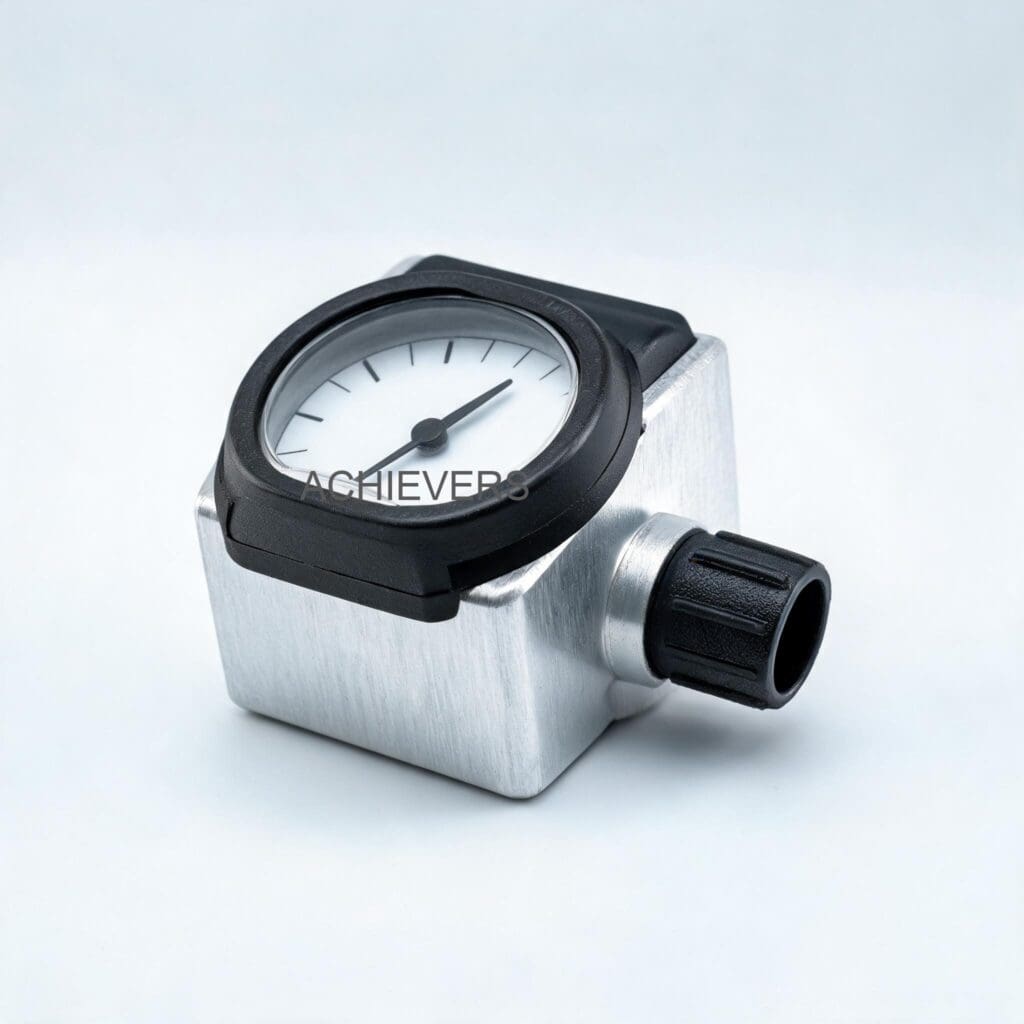
Sizing and Model Verification
Before performing maintenance, verify which variant is installed on your DG set. Maintenance intervals for high-flow systems differ slightly due to higher fluid volumes.
| Model Number | Compatible Engine Capacity | Sensor Model (x2) | Typical Application |
| — | — | — | — |
| FCM:006 | Up to 200 HP | CE-006 | Earthmovers, Small DG Sets |
| FCM:008 | 200 HP to 400 HP | CE-008 | Mid-size Industrial DG Sets |
| FCM:012 | 400 HP to 1000 HP | CE-012 | Large Plant Backup Generators |
| FCM:020 | 1000 HP to 1500 HP | CE-020 | Mining Equipment, Marine |
| FCM:025 | 1500 HP to 2000 HP | CE-025 | Heavy Power Generation |
2. Preventive Maintenance Schedule
Waiting for a failure is not a strategy. Implementing this structured schedule ensures your Fuel Consumption Meter continues to deliver steady performance, minimum maintenance, and flawless fuel accounting.
| Task | Frequency | Responsible | Est. Time | Notes |
| — | — | — | — | — |
| Visual Inspection for Leaks | Weekly | DG Operator | 10 mins | Check fittings, sensor flanges, and return line connections. |
| Y-Type Strainer Blowdown | Bi-Weekly | Maintenance Tech | 15 mins | Highly critical in India due to common diesel tank rust and adulteration. |
| Deaerator Vent Check | Monthly | Maintenance Tech | 10 mins | Ensure the return line deaeration path is not blocked by fuel gumming. |
| Operating Voltage Check | Monthly | Electrician | 10 mins | Verify engine battery is delivering clean 5-24 Vdc without severe alternator ripple. |
| Oval Gear Rotation Sound | Monthly | Maintenance Tech | 5 mins | Listen via mechanics stethoscope for smooth rotation without grinding. |
| RS-485 Data Verification | Monthly | IT / Instrumentation | 15 mins | Compare physical display readings with GPS/GPRS dashboard data. |
| Terminal & Wiring Inspection | Quarterly | Electrician | 20 mins | Check for corrosion caused by battery acid fumes or monsoon humidity. |
| O-Ring and Seal Inspection | Bi-Annually | Mechanical Tech | 30 mins | Inspect seals on strainer cap and sensor housings for weeping. |
| Volumetric Calibration Check | Annually | Metrology Team | 2 hours | Verify 0.5% system accuracy using a master proving can. |
| Complete Sensor Cleaning | Annually | Mechanical Tech | 2 hours | Remove, inspect, and clean aluminum anodized oval gears in solvent. |
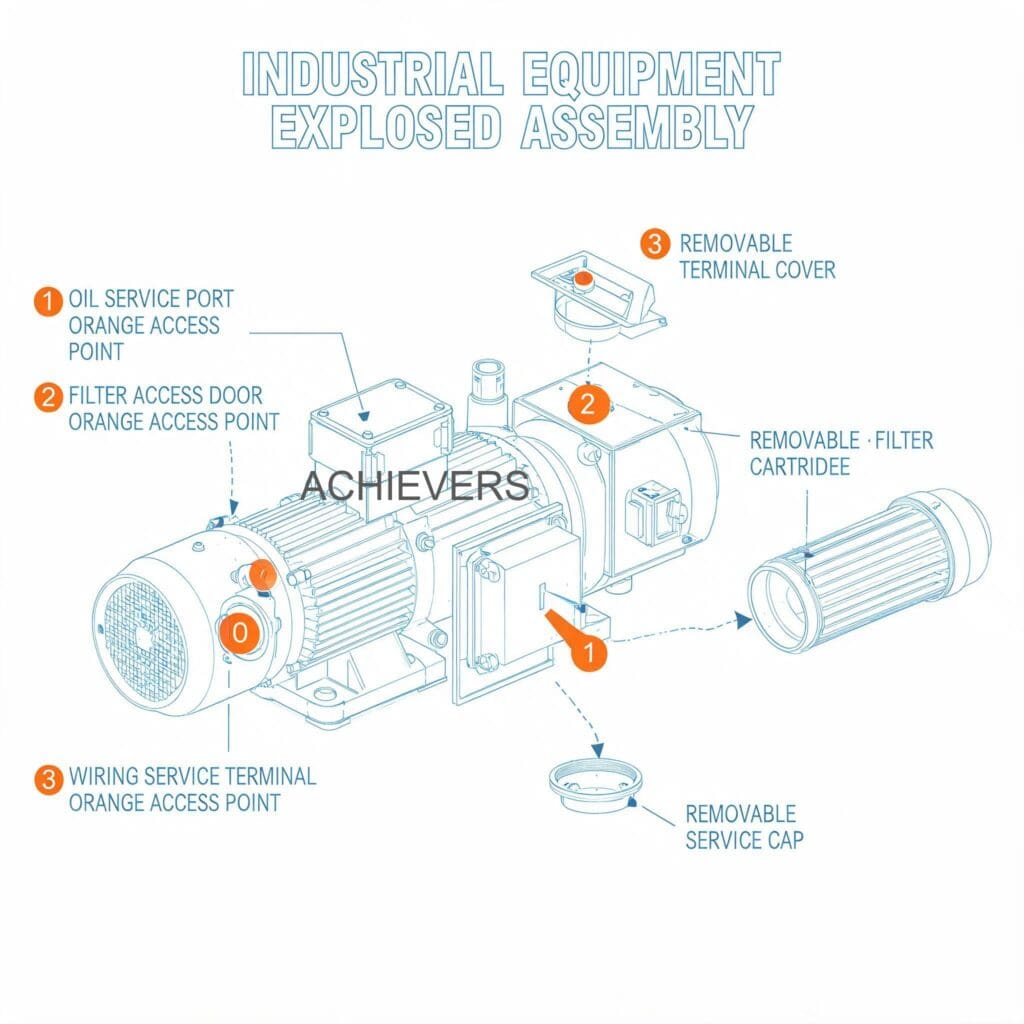
3. Step-by-Step Procedures for Key Tasks
Proper execution of maintenance tasks dictates the lifespan of your instrumentation. Ensure all engine operations are stopped, and follow Lock-Out/Tag-Out (LOTO) procedures before opening any fuel lines.
Procedure 1: Cleaning the Y-Type Strainer and Deaeration Chamber
Contaminated diesel is a reality in many Indian industrial zones. The Y-type strainer protects the tight tolerances of the oval gears.
- Isolate the System: Turn off the DG set and close the upstream and downstream isolation valves on both the supply and return lines.
- Depressurize: Safely bleed residual pressure from the lines using the designated bleed ports into a safe, static-grounded container.
- Open the Strainer: Use the correct size spanner to unscrew the Y-strainer cap. Do not use pipe wrenches, which can warp the housing.
- Remove the Mesh: Carefully pull out the stainless-steel mesh cylinder.
- Inspect for Metal Shavings: Examine the debris. Rust is normal, but bright metal shavings indicate a failing upstream transfer pump.
- Clean the Mesh: Soak the mesh in clean solvent (like pure diesel or mineral spirits). Use a soft nylon brush to remove trapped particles. Never use wire brushes that can distort the micron rating.
- Clean the Deaerator: Open the deaerator chamber on the return line. Wipe out any waxy buildup (paraffin precipitation from poor-quality winter diesel).
- Replace O-Rings and Reassemble: Seat a fresh O-ring on the strainer cap. Reinstall the mesh and tighten the cap to the manufacturer's specified torque.
- Prime the Lines: Open the isolation valves. Use the engine's manual primer pump to push fuel through the meter until all air is expelled.
- Leak Test: Start the engine and observe the strainer cap and deaerator under operating pressure for 5 minutes.
Common Mistake to Avoid
Using cotton waste to clean the internal components of a Fuel Consumption Meter is a critical error. Cotton threads easily break off, enter the fluid stream, and wrap around the shafts of the oval gears, causing the meter to jam instantly. Always use lint-free microfiber cloths.
Procedure 2: RS-485 Communication and Electrical Stability Check
Many plant managers interface the Fuel Consumption Meter with a GPS/GPRS modem using the RS-485 digital output. In Indian sites, poor grounding and voltage spikes frequently disrupt this data.
- Verify Power Source: Measure the input voltage at the meter's power terminals using a high-quality multimeter. It must be stable between 5 Vdc and 29 Vdc.
- Check for Alternator Ripple: Switch the multimeter to AC voltage mode and measure across the DC power terminals while the engine is running. AC ripple above 0.5V indicates a failing engine alternator diode, which can freeze the microcontroller.
- Inspect the PCB: Power down the unit. Open the display enclosure. Look for white, powdery residue (corrosion from humidity) or black soot (electrical tracking).
- Check Shield Grounding: Ensure the RS-485 communication cable is shielded. The shield drain wire must be grounded at one end only (preferably at the RTU/Modem panel) to prevent ground loops.
- Tighten Terminals: Industrial DG sets vibrate violently. Gently tighten all terminal block screws for the sensor inputs and RS-485 outputs.
- Verify Baud Rate Match: If data is dropping, verify that the baud rate, parity, and stop bits programmed in the meter match the GPRS modem settings.
- Clean Contacts: If any oxidation is present on the terminal strips, clean them using an electronic contact cleaner spray.
- Seal the Enclosure: When closing the display unit, ensure the weatherproof gasket is seated perfectly to keep out monsoon rain and dust.
4. On-Site Spare Parts to Stock
To prevent costly downtime, procurement heads should ensure the following critical spares are kept in the plant’s inventory. Relying on just-in-time delivery for vital measurement components can leave your fuel accounting blind for days.
| Part Description | Component Type | Recommended Stock Qty | When to Replace |
| — | — | — | — |
| Y-Strainer Mesh Element | Consumable | 2 per meter | If the mesh is torn, crushed, or heavily varnished. |
| Viton O-Ring Kit | Consumable | 2 kits per meter | Every time a housing is opened, or if weeping is observed. |
| Aluminum Oval Gear Set | Wear Part | 1 set per 5 meters | If calibration drift exceeds 1%, or visible scoring is found. |
| PCB / Microcontroller Display | Electronic | 1 per site | In case of a severe lightning strike or massive voltage surge. |
| Sensor Cable Connectors | Electronic | 2 per meter | If vibration damages the locking pins. |
5. Diagnosing Maintenance-Related Failures
Even with a maintenance schedule, extreme site conditions can trigger sudden issues. Use this diagnostic table to trace symptoms back to their mechanical or electrical root causes.
| Failure Symptom | Most Likely Missed Maintenance Task | Corrective Action |
| — | — | — |
| Display shows flow, but engine is off. | Failed to check RS-485 grounding. | Isolate shielding. Check for induced voltage from nearby power cables. |
| Consumption calculation is negative. | Failed to clean return line deaerator. | Clean deaerator. Air bubbles are causing the return sensor to over-register. |
| Erratic jumping of fuel flow rate. | Failed to clean Y-type strainer. | Clean strainer. Pump cavitation is causing pulsating flow. |
| Display resets during engine cranking. | Failed to check battery health. | Replace engine battery. Cranking voltage is dropping below 5 Vdc minimum. |
| "0" flow on display despite engine running. | Failed to inspect oval gears. | Open sensor housings. Clear debris jamming the aluminum oval gears. |
| Fuel weeping from sensor body. | Failed to replace O-rings bi-annually. | Lock out system. Replace all Viton seals and retorque flange bolts. |
6. Extending Service Life in Indian Conditions
Indian industrial environments present a unique set of challenges that standard European or American maintenance manuals often overlook. To get a decade of reliable service from your investment, adapt to these localized factors:
Managing Monsoon Humidity:
High humidity in coastal areas (like Chennai or Mumbai) or during the monsoon season causes condensation inside electrical enclosures. Ensure the silica gel packets inside the calculator display housing are replaced annually. If your site is highly corrosive, request conformal coating on the PCBs.
Handling Extreme Heat:
Ambient temperatures in states like Rajasthan or Gujarat can exceed 45°C. Combined with the radiant heat of a running diesel engine, local temperatures near the meter can easily reach 70°C. Ensure the fuel calculator is mounted using vibration isolators away from direct exhaust heat. Extended heat degrades O-rings faster; switch from standard NBR to high-temp Viton seals if leaks become frequent.
Combating Fuel Adulteration:
In remote mining or construction sites, diesel is sometimes adulterated with kerosene or contains high sulfur and water content. Water in diesel destroys the lubricating properties required by the aluminum anodized oval gears. Install a primary water separator/coalescing filter upstream of the Y-strainer. Drain the water bowl daily.
Protecting Against Power Quality Issues:
While the meter handles 5 to 29 Vdc, Indian DG set batteries are notoriously poorly maintained. Faulty charging alternators can push voltage spikes well over 30 Vdc, frying the internal components. If battery maintenance is a known issue at your plant, install an inexpensive 12V/24V DC-DC voltage stabilizer between the engine battery and the meter.
FAQ
Q: How often should we calibrate the system to maintain the 0.5% accuracy?
A: For most industrial applications, a volumetric calibration check using a master proving tank should be done once every 12 months. However, if the site processes highly contaminated diesel, check it every 6 months.
Q: Can we install the meter directly on the engine block?
A: No. The intense vibration and heat of the engine block can shorten the lifespan of the electronics. Mount the system on a sturdy, independent frame or bulkhead near the engine, using flexible, steel-braided fuel hoses for connection.
Q: Why is my meter showing that the engine is returning more fuel than it consumes?
A: This is a classic symptom of severe air entrainment in the return line. Verify that the deaerator is functioning properly, the vent is clear, and there are no suction leaks on the return side of the engine pulling in atmospheric air.
Q: The RS-485 data to our GPRS modem keeps dropping randomly. What is the cause?
A: This is almost always an electromagnetic interference (EMI) issue. Ensure the RS-485 cable is shielded, routed far away from the DG set's main high-voltage alternator output cables, and grounded securely at one end.
Q: Is it difficult to align and calibrate the inlet and return sensors?
A: The microcontroller makes this straightforward. The Achievers fuel calculator is specifically designed for easy alignment. Both interface fuel flow sensors can be calibrated via the front panel interface without requiring external software.
Q: What is the maximum pressure drop across the sensors?
A: Oval gear meters have a very low pressure drop by design. However, if the Y-strainer becomes clogged, the pressure drop will spike, potentially starving the engine injector pump. Regular strainer maintenance prevents this.
Q: Can this system be used to measure fuel loaded into the main storage tank?
A: No, this specific setup is designed for differential measurement (engine consumption). For bulk transfer into storage tanks or dispensing to vehicles, you should use a high-capacity Liquid Batching System or a dedicated mobile fuel dispenser.
Your fuel handling infrastructure is only as good as the maintenance behind it. Protect your investment, eliminate fuel accounting discrepancies, and ensure every drop of diesel generates productive power. If you are experiencing accuracy drift or need help sizing a differential measurement solution for your specific engine capacity, reach out to our engineering team today. Please share your engine horsepower, average fuel consumption rate, and site conditions, and we will help you configure the perfect setup.