In high-volume fluid handling operations—whether you are filling engine oil at an automotive assembly plant, dispensing transmission fluids, or batching diesel for critical power backup—accuracy is everything. When your liquid batching equipment drifts out of calibration, you are facing one of two scenarios: you are either short-filling (risking customer complaints and Legal Metrology compliance issues) or over-filling (giving away lakhs of rupees in free product every month).
For Indian plant managers and maintenance engineers, keeping a batching system running at peak accuracy is a daily battle. Between high ambient temperatures, dusty factory floors, monsoon humidity, and erratic power grids, industrial flow equipment takes a beating. Preventive maintenance is not just a housekeeping exercise; it is a critical strategy to protect your profit margins.
This comprehensive guide focuses on preventing accuracy drift, eliminating leaks, and avoiding unplanned downtime in your batching operations. By implementing these structured maintenance protocols, you can ensure your equipment delivers repeatable precision, batch after batch.
Quick ROI Snapshot: Preventive Maintenance Program
- Typical payback period: Immediate (prevents single-batch rejection or rework).
- Cost of Giveaways Saved: A 1% accuracy drift on 1,000 liters of lube oil per day costs roughly ₹7,50,000 annually in product giveaway. Routine calibration prevents this.
- Unplanned Downtime Reduction: Up to 80% drop in line stoppages.
- Maintenance vs. Replacement: Spending ₹15,000–₹25,000 annually on consumable spares and labor protects a capital investment of ₹2,00,000+.
1. Product Overview and Critical Wear Components
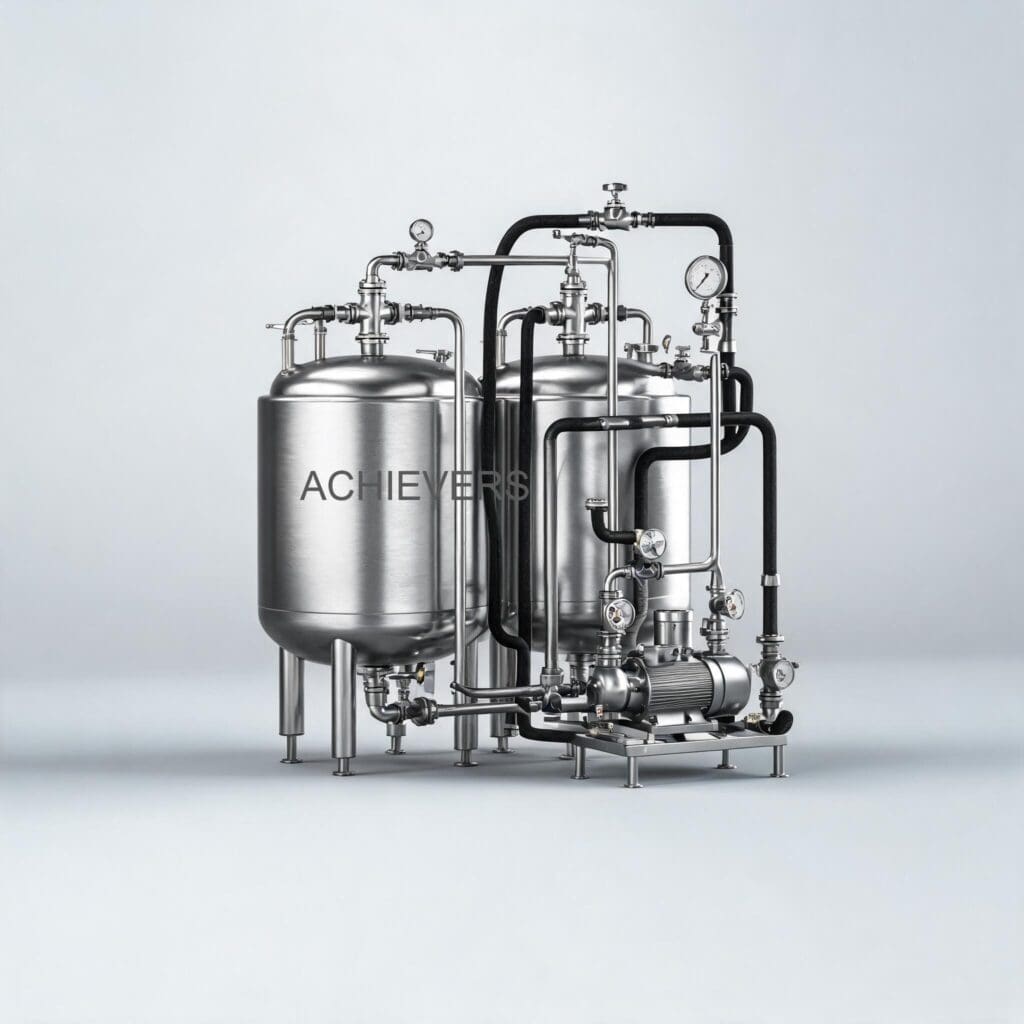
Before you can effectively maintain a system, you must understand its anatomy. An Liquid Batching System from Achievers is a synchronized assembly of four main components: a heavy-duty pump, a precision flow sensor (typically an oval gear meter), a programmable controller, and a fast-acting solenoid valve.
Because these systems are designed to handle high-viscosity fluids like motor oil, gear oil, and diesel, they rely on positive displacement mechanisms. The oval gear meter is the heart of the system, providing the ±0.2% accuracy required for automotive assembly lines and lube oil dispensing.
Key Specifications and Component Details
| Specification / Component | Technical Details | Maintenance Implication |
| — | — | — |
| System Capacity | 60 Litres/Min | High flow rates mean faster wear if the fluid is contaminated with abrasive particles. |
| System Accuracy | ±0.2 % | Requires pristine gear rotation. Even slight particulate buildup will cause calibration drift. |
| Power Source | 220 V AC | Vulnerable to Indian industrial voltage spikes; requires clean power to protect the controller. |
| Flow Sensor (Meter) | Oval Gear Mechanism | Gears and bearings must be checked for wear; highly sensitive to air pockets. |
| Control Element | Solenoid Valve | Diaphragm and seals wear over time; sluggish closing leads to batch overruns. |
| Motive Force | Pump Assembly | Vanes or gears require periodic inspection to maintain the 60 L/Min flow rate. |
The most common failure points in any Liquid Batching System are the dynamic seals, the strainer screens (which choke with debris), and the solenoid valve diaphragms. When inspecting Oil Flow Meters integrated into these systems, the meshing gears are the primary focus of your condition monitoring.
2. Preventive Maintenance Schedule
Transitioning from reactive "run-to-failure" maintenance to a preventive strategy requires a structured schedule. Below is a comprehensive master maintenance schedule tailored for Indian industrial environments operating on a single or double shift.
| Task | Frequency | Responsible | Est. Time | Notes / Action Items |
| — | — | — | — | — |
| Visual Leak Inspection | Daily | Line Operator | 5 mins | Check all flanges, threaded joints, and pump seals for weeping oil or diesel. |
| Display & Alarm Check | Daily | Line Operator | 2 mins | Ensure the 220V AC controller screen is bright, readable, and showing zero before start. |
| Strainer / Filter Blowdown | Weekly | Maintenance Tech | 15 mins | Critical for dusty environments. Clean the Y-strainer or basket filter to prevent flow restriction. |
| Batch Verification Test | Weekly | QA / Production | 10 mins | Dispense a known preset into a calibrated volumetric measure to check for ±0.2% accuracy. |
| Solenoid Valve Response | Monthly | Maintenance Tech | 10 mins | Listen for a sharp, crisp "click." Sluggish closing means the valve needs cleaning or seal replacement. |
| Terminal & Wiring Tightness | Monthly | Electrician | 15 mins | Plant vibrations loosen 220V terminals. Tighten all control panel and sensor block connections. |
| Pump Seal Inspection | Quarterly | Maintenance Tech | 20 mins | Check the mechanical seal or packing on the pump for signs of hardening or fluid bypass. |
| Moisture / Humidity Check | Quarterly | Electrician | 10 mins | Open the controller box. Replace silica gel packets. Look for white corrosion on PCBs. |
| Sensor Chamber Cleaning | Bi-Annually | Instrument Tech | 45 mins | Open the oval gear meter. Clean the chamber and gears with appropriate solvent. |
| Full System Calibration | Annually | Metrology / QA | 2 hours | Multi-point calibration at low, medium, and high flow rates. Adjust controller K-factor if needed. |
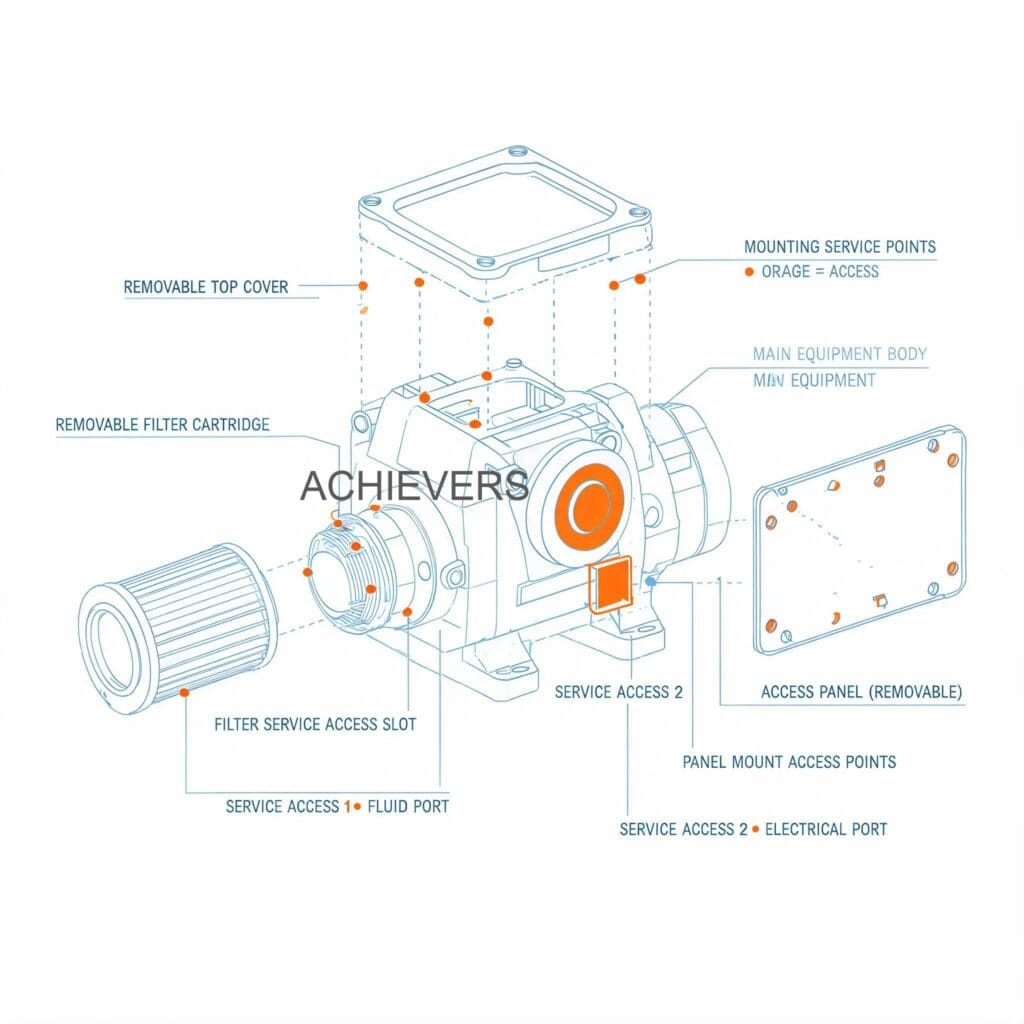
3. Step-by-Step Procedures for Key Tasks
Standard Operating Procedures (SOPs) are vital for maintenance consistency. Haphazard cleaning often causes more damage than no cleaning at all. Below are two critical procedures for maintaining your Liquid Batching System.
Procedure 1: Strainer and Filter Cleaning
A choked strainer will starve the pump, cause cavitation, and introduce air bubbles into the flow meter, completely ruining batch accuracy.
- Isolate and LOTO: Turn off the 220V AC power supply to the pump and controller. Apply Lock-Out/Tag-Out (LOTO) protocols.
- Close Isolation Valves: Shut the manual ball valves upstream and downstream of the batching skid to prevent fluid loss.
- Depressurize the Line: Carefully open the drain plug or a downstream sampling valve to relieve line pressure. Keep a spill tray handy.
- Remove Strainer Cap: Using the correct size spanner, unthread the Y-strainer or basket filter cap. Avoid using pipe wrenches that can distort the housing.
- Extract the Mesh Element: Carefully pull out the stainless steel mesh. Inspect it under a bright light for tears, collapsed sections, or heavy sludge buildup.
- Clean the Element: Wash the mesh in a compatible solvent (e.g., clean diesel or mineral spirits). Use a soft bristle brush. Never use a wire brush, as it will distort the micron rating of the mesh.
- Inspect O-Rings: Check the cap O-ring. If it is flattened, hardened, or nicked, replace it. Lubricate the new O-ring lightly with system-compatible grease.
- Reassemble and Purge: Insert the screen, tighten the cap, and slowly open the upstream valve. Bleed the air out of the system before restarting the pump, as air slugs will damage the flow meter.
Procedure 2: Oval Gear Sensor Inspection and Cleaning
If your batch verification test shows drift beyond the ±0.2% specification, the oval gears likely have particulate buildup altering their displacement volume.
- Isolate System: Power down, LOTO, close isolation valves, and depressurize the system.
- Disconnect Electronics: Carefully disconnect the pulse transmitter cable from the flow sensor. Cap the cable end to prevent dust or oil ingress.
- Remove Meter Cover: Unbolt the front faceplate of the flow meter. Keep a clean rag underneath to catch residual oil.
- Extract the Oval Gears: Note the orientation and alignment marks on the gears before removal. Gently slide them off their shafts.
- Clean Components: Soak the gears and wipe the internal measuring chamber with a clean, lint-free cloth and mild solvent.
- Inspect for Wear: Run your fingernail along the gear teeth and the chamber walls. Any deep scoring means the fluid is bypassing the gears, which is the root cause of the accuracy drift.
- Reinstall Gears: Place the gears back on their shafts. Ensure they mesh exactly at a 90-degree angle to one another. Spin them gently by hand—they should rotate completely freely without binding.
- Seal and Re-calibrate: Replace the faceplate O-ring, tighten bolts in a star pattern, reconnect the electronics, and perform a fresh volumetric calibration using the controller.
Common Mistake to Avoid:
Never use compressed air to dry or spin the oval gears inside the meter. Blowing high-pressure air through a positive displacement meter will cause the gears to over-speed far beyond their design limits. This will instantly destroy the bearings and completely ruin the meter’s calibration.
4. On-Site Spare Parts to Stock
The hidden cost of maintenance in India is often supply chain delays. Waiting three days for a ₹500 seal can cost ₹3,00,000 in lost production. To maximize uptime, maintain an inventory of these critical spares at your facility.
| Part Description | Type | Recommended Qty | When to Replace |
| — | — | — | — |
| Strainer Mesh Screen | Consumable | 2 per system | When torn, deformed, or impossible to clean. |
| System O-Ring Kit | Consumable | 3 sets | Every time a component is opened for service. |
| Solenoid Valve Diaphragm/Coil | Wear Part | 1 per system | When valve response is sluggish or coil burns out. |
| Oval Gear Replacement Set | Capital Spare | 1 per plant | If gears show scoring or calibration drift is uncorrectable. |
| Controller PCB / Relay | Electronics | 1 per plant | Following severe voltage spikes or lightning strikes. |
| Pump Mechanical Seal | Wear Part | 2 per pump | When fluid is visibly weeping from the pump shaft. |
5. Diagnosing Maintenance-Related Failures
Even with a strong preventive schedule, operational anomalies will occur. When operators report issues, use this diagnostic table to trace the symptom back to a specific maintenance failure.
| Failure Symptom | Most Likely Cause | Corrective Action |
| — | — | — |
| Batch Overruns (Dispensing too much) | Sluggish or stuck solenoid valve. | Isolate valve, clean internal diaphragm, or replace the solenoid coil. |
| Erratic or Slow Flow Rate | Choked strainer or clogged pump inlet. | Execute Procedure 1 (Strainer Cleaning). Verify pump motor is healthy. |
| Controller Display is Blank | Blown fuse due to voltage spike. | Check 220V power supply, test internal fuses, install voltage stabilizer. |
| Weeping Oil Under Skid | Degraded O-rings or mechanical seals. | Wipe system down completely to pinpoint the leak. Replace affected seals. |
| Consistent Accuracy Drift (Under-filling) | Wear in oval gears or air in the line. | Execute Procedure 2. Check suction side of pump for air leaks. |
| Motor Tripping on Overload | Fluid viscosity too high (cold morning) or mechanical binding. | Allow fluid to warm up, or check pump gears for debris causing binding. |

6. Extending Service Life in Indian Conditions
Operating fluid handling equipment in India presents unique environmental challenges. Standard maintenance schedules often need adjustment based on site-specific realities.
Combating Extreme Heat and Dust:
In cement plants, mining sites, or non-AC manufacturing sheds, ambient temperatures frequently exceed 45°C. Heat degrades rubber seals faster and can cause the electronic controller to overheat. Ensure the control panel is shaded from direct sunlight. In highly dusty environments, wipe down the pneumatic/electrical connections daily, as settling dust acts as an insulator, trapping heat.
Managing Power Quality Issues:
Indian industrial estates frequently suffer from voltage sags, surges, and phase imbalances. Because the system operates on a 220 V AC power source, voltage spikes can instantly fry the controller PCB or burn out the solenoid coil. Always route the batching system's power through a high-quality Servo Voltage Stabilizer or UPS.
Monsoon Humidity Protection:
High humidity during the Indian monsoon leads to rapid condensation inside control panels. This moisture bridges electrical contacts, leading to phantom signals or total failure. Maintenance teams should place fresh industrial silica gel desiccant packs inside the controller enclosure before June every year and ensure panel door gaskets are completely watertight.
Contamination in Fluids:
If you are using the system as a diesel dispenser or Fuel Flow Meter for backup generators, remember that Indian diesel often contains high levels of suspended water and rust particles from storage tanks. Upgrade your pre-filtration to water-absorbing micro-filters to protect the precision gears of the batching system from scoring and corrosion.
FAQ
Q: How often should I calibrate my liquid batching system?
A: For critical applications like selling product by volume or strict automotive formulations, calibration should be verified monthly and formally certified every year. In less critical internal-transfer applications, a bi-annual verification check is usually sufficient, provided the strainer is kept clean.
Q: Why does the batch finish 1-2 liters over the programmed preset amount?
A: Batch overruns almost always point to the solenoid valve. The valve is taking too long to close after receiving the "stop" signal from the controller. This is usually caused by dirt trapped in the valve diaphragm or a weakening solenoid coil.
Q: Can this system handle highly viscous oils in winter without losing accuracy?
A: Yes, the oval gear mechanism is ideal for high-viscosity fluids like gear oil or cold motor oil. However, high viscosity increases the pressure drop across the system. Ensure your pump is sized correctly so the motor does not trip on overload during cold morning startups.
Q: Our controller panel resets randomly during operation. What is wrong?
A: Random resets are almost certainly caused by voltage drops or electrical noise on your 220V AC supply line. Check for heavy machinery starting up on the same electrical circuit. Install a dedicated UPS or voltage stabilizer for the batching controller.
Q: What is the best way to clean the internal measuring chamber of the flow sensor?
A: Remove the oval gears, soak them in a clean, compatible solvent (like mineral spirits), and wipe them down with a lint-free microfibre cloth. Never use abrasive pads, wire brushes, or high-pressure compressed air, as this will destroy the precision surfaces.
Q: Does air in the pipeline affect the ±0.2% accuracy?
A: Yes, drastically. Oval gear meters measure exact volumes of whatever passes through them—including air. If your pump is sucking in air due to a loose inlet seal or an empty drum, the meter will register the air as liquid, leading to massive under-fills. Always ensure the system is properly primed.
Q: Why do I need to keep spare O-rings on site? Can't I reuse them?
A: Once a rubber O-ring is compressed in a high-pressure flange and exposed to industrial oils, it takes a "set." If you open the joint for maintenance and try to reuse the old O-ring, it will almost certainly leak. Always replace O-rings when you open a seal.
Routine maintenance is an investment in your plant's efficiency, safety, and profitability. If your current batching operations are suffering from accuracy drift, constant leaks, or you want to upgrade to a system engineered for rugged Indian conditions, we are here to help. Contact the technical team at Achievers Pumps and Valves today with your required flow capacity, fluid type, and site conditions, and let us design a precision liquid batching solution tailored to your exact needs.