Fuel dispensing downtime in Indian industrial plants—whether at a high-volume mining site in Jharkhand, a busy logistics hub in Maharashtra, or a pharmaceutical manufacturing facility in Gujarat—costs significant time and money. Every minute a fleet truck, diesel generator, or heavy earthmoving machine stands idle at the fuel island because of a malfunctioning dispensing system, your operational efficiency takes a direct hit. Premature shut-off, commonly known in the field as the nozzle "clicking off" repeatedly before the tank is actually full, is one of the most frequent and frustrating issues encountered by operations managers and site engineers.
Before you jump to replacing expensive parts, calling in outside service technicians, or ordering a completely new assembly, it is crucial to accurately diagnose the root cause. Often, the issue stems from easily correctable field conditions specific to the Indian environment—such as severe dust ingress, mud clogging during the monsoons, inappropriate system line pressure, or blocked venting—rather than a catastrophic mechanical failure.
This comprehensive, step-by-step troubleshooting guide will help you understand exactly why your automatic dispensing equipment keeps clicking off. We will outline practical field diagnosis procedures and provide reliable fixes to get your fluid handling systems back to optimal speed and safety without unnecessary capital expenditure.
Quick ROI Snapshot: Proper Nozzle Troubleshooting & Maintenance
- Typical downtime cost avoided: ₹15,000 – ₹50,000 per hour (for idle heavy earthmoving machinery)
- Cost of unnecessary part replacement: ₹3,500 – ₹8,000 per unit
- Time to diagnose & fix common vent issues: 10-15 minutes
- Typical payback period for establishing preventive maintenance: Immediate
1. Quick Reference: How Fuel Nozzles Work
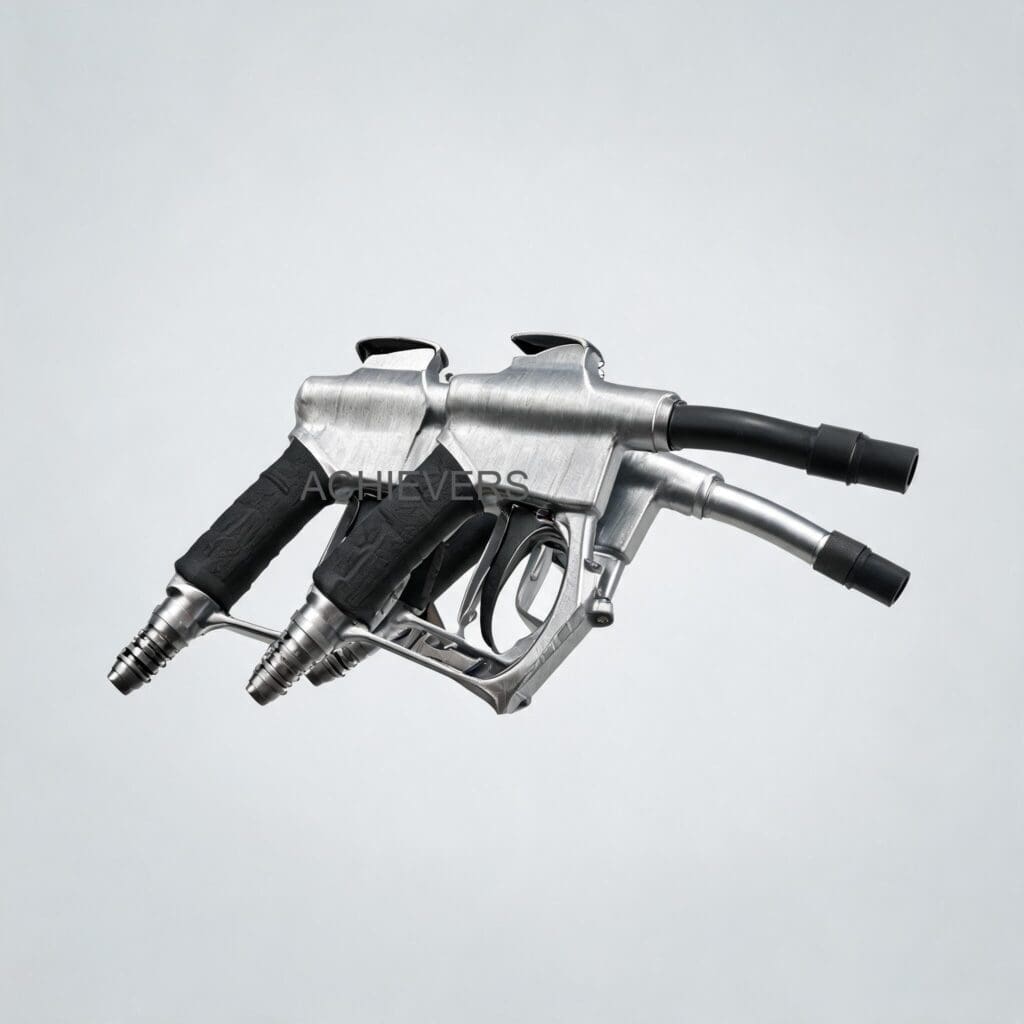
To troubleshoot effectively, you must first understand the engineering principles driving the automatic shut-off mechanism. Modern automatic dispensing equipment, specifically those utilizing the OPW 11b arrangement style, relies on the Venturi effect to ensure safety and prevent costly, hazardous spills.
Inside the body of the nozzle, fluid passes through a restricted Venturi seat, which creates a vacuum. A small air tube runs from this internal vacuum chamber down the length of the stainless steel spout to a small hole near the tip, known as the sensing port. Under normal operation, air is continuously drawn into this sensing port to satisfy the vacuum.
When the fuel level in the receiving tank rises and covers this sensing port—or if fuel splashes back violently against it—air can no longer enter the tube. This causes a sudden spike in vacuum pressure inside the nozzle body. The vacuum pulls a diaphragm upward, tripping a latch pin. Once the latch is tripped, the main spring instantly slams the internal poppet valve shut, resulting in the familiar "click" and the immediate cessation of flow.
Our Fuel Nozzles are cycle-verified to last longer than 1 million cycles. They feature a unique "no pressure – no flow" gadget, meaning the main valve cannot be opened until the pumping system is fully pressurized, and it closes automatically when line pressure is removed.
Key Technical Specifications to Keep in Mind:
- Operating Pressure: Rated for 0.18 MPa (approx. 26 PSI). Exceeding this can cause continuous lock-outs.
- Flow Rate: 0-60 L/min. Ideal for standard fleet and light commercial fill pipes.
- Spout Dimensions: 13/16 inch stainless steel spout tip, designed to outlast standard aluminum spouts by four times.
- Inlet Thread: BSP 3/4 inch.
- Compatibility: Approved for standard diesel, petrol, and up to 10% ethanol mixes.
2. Troubleshooting Matrix
When field operators complain about equipment malfunctions, symptoms are often vaguely described as "it is broken" or "it keeps stopping." Use this diagnostic matrix to map specific symptoms to mechanical root causes and actionable fixes.
| Symptom | Likely Cause | Field Diagnosis Steps | Corrective Fix |
| — | — | — | — |
| Constant premature shut-off | Blocked sensing port or bent spout vent tube. | Inspect the 13/16" spout tip for mud, debris, or salt buildup. | Clear the sensing port with a soft brush or compressed air. Do not use sharp wire. |
| No flow when lever is pulled | "No pressure – no flow" gadget engaged / pump off. | Verify pump is running and line pressure is at least 0.18 MPa. | Turn on pump; check bypass valve on the main dispensing unit. |
| Leaking from spout after shut-off | Debris caught in the internal poppet valve. | Observe if leak is a slow drip or continuous stream after stopping. | Flush the system. If dripping persists, the internal poppet requires factory replacement. |
| Leaking at the base/swivel | Worn O-ring or loose BSP 3/4" thread connection. | Wipe inlet clean, pressurize line, and observe for seepage. | Tighten thread connection. Replace the swivel O-ring if flattened or cracked. |
| Extremely slow flow rate (< 20 L/min) | Clogged internal inlet strainer. | Check pump output first. If pump is fine, isolate the nozzle. | Remove the nozzle from the hose, extract the inlet strainer, clean, and reinstall. |
| Lever mechanism binds / hard to pull | Duratuff lever guard bent or pivot pin fouled. | Inspect the two-piece hand protector and lever pivot for physical damage. | Clean pivot area. If the duratuff guard is crushed by a vehicle run-over, replace it. |
| Accu-stop clip fails to engage | Broken or fatigued hold-open clip spring. | Attempt to set the one-finger hold-open clip on all notches. | Replace the hold-open clip spring (a standard wear part in high-volume sites). |
| Severe chattering or vibration | Air entering the suction line (cavitation). | Check the transparent sight glass (if fitted) for air bubbles. | Bleed the pump line. Ensure underground tank foot valves are not leaking. |
| Splash-back during delivery | Flow rate (up to 60 L/min) too high for the vehicle fill pipe. | Observe fuel pooling in the vehicle neck before draining into the tank. | Use a lower notch on the hold-open clip to reduce dispensing velocity. |
| Complete failure to auto-shutoff | Internal diaphragm ruptured or vent tube broken inside. | Very dangerous. Check if auto-shutoff works at slow flow rates. | Take out of service immediately. Replace the Fuel Nozzles to prevent PESO violations and spills. |
3. Step-by-Step Field Diagnosis Procedure
When an operator reports that the equipment is constantly clicking off, follow this rigorous diagnostic procedure to isolate the fault. Safety comes first—ensure your site adheres to PESO guidelines regarding static grounding before commencing any maintenance on fuel systems.
Required Tools: Clean rags, non-sparking wrench set, safety glasses, chemical-resistant gloves, compressed air (low pressure), and a bucket.
- Isolate the Power: Shut down the pump motor at the main control panel. If you are using a Mobile Fuel Dispenser, ensure the mobile unit's PTO or electrical drive is completely disengaged and locked out.
- Relieve Line Pressure: Squeeze the lever over a safe, grounded bucket to relieve residual line pressure. The "no pressure – no flow" valve will ensure the system closes safely once pressure drops.
- Inspect the Spout Sensing Port: Examine the small hole near the tip of the stainless steel spout. In Indian mining and construction sites, this port frequently becomes clogged with wet dust or mud. Use compressed air (max 15 PSI) or a soft-bristled brush to clear it. Never jam a stiff wire or drill bit into this port, as it will destroy the internal vent tube.
- Check the Inlet Strainer: Disconnect the Fuel Nozzles from the hose at the BSP 3/4" thread connection. Look inside the inlet to locate the wire mesh strainer. If it is clogged with rust flakes from older underground tanks or contaminated diesel, clean it thoroughly. A blocked strainer causes turbulence that can falsely trigger the auto-shutoff vacuum.
- Verify Dispensing Angle: Ensure the operator is inserting the spout fully and at the correct downward angle into the vehicle's fill pipe. If the spout is resting horizontally or pointed upward, fuel splashing back off the pipe walls will hit the sensing port and cause immediate shut-off.
- Assess the Vehicle Fill Pipe: Look down the vehicle's filler neck with an intrinsically safe flashlight. Many modern BS-VI commercial vehicles have anti-siphon grids or sharp bends in the filler neck. These restrictions cause fuel to back up rapidly, naturally triggering the shut-off. This is the nozzle doing its job, not a malfunction.
- Test the Line Pressure: Ensure the main dispensing pump is not bypassing at a pressure higher than 0.18 MPa. High pressure creates excessive flow velocity that causes violent splash-back, immediately tripping the shut-off mechanism.
- Re-pressurize and Field Test: Reattach the assembly, turn on the pump, and dispense fuel into a test vehicle or certified proving can. Use the one-finger hold-open clip to test the flow at different speeds (low, medium, and the full 60 L/min). If it operates smoothly without clicking off prematurely, the issue was field-related and has been resolved.
4. Installation and Setup Errors That Cause Ongoing Problems
A large percentage of operational complaints stem not from equipment failure, but from poor initial installation or systemic mismatches. If a site experiences chronic issues across multiple dispensing points, review this table to identify systemic setup errors.
| Installation Error | Symptom at the Dispensing Point | Corrective Action |
| — | — | — |
| Mismatched Thread Types | Constant weeping of fuel at the hose connection despite tight fitting. | Ensure you are matching BSP 3/4" threads. Do not force NPT fittings into BSP threads. Use appropriate fuel-rated thread sealant. |
| Missing Rotary Swivel | The hose kinks constantly; the lever binds due to torsional stress. | Always install a multi-plane or single-plane swivel between the hose and the inlet to relieve tension. |
| Over-Pressurized System | Violent flow, extreme nozzle chatter, constant premature clicking off. | Adjust the bypass valve on the Diesel Dispenser to ensure line pressure does not exceed 0.18 MPa. |
| Flow Rate Exceeds Pipe Capacity | Fuel pools in the filler neck and trips the auto-shutoff instantly. | Limit the flow rate. For standard passenger and light commercial vehicles, 60 L/min is the maximum safe limit. |
| Using with Gravity Feed Systems | Zero flow when the lever is pulled. | The internal "no pressure – no flow" gadget requires active pump pressure to open. Switch to a standard manual model for gravity tanks. |
| Inadequate Filtration | Spout valves fail to close fully, causing post-dispensing leaks. | Install 10-micron or 30-micron particulate and water-absorbing filters at the pump discharge to protect downstream components. |
Common Mistake to Avoid
Bypassing the Hold-Open Clip: In high-volume Indian industrial sites, operators frustrated by a nozzle that keeps clicking off will sometimes jam a fuel cap, a piece of wood, or a crushed bottle under the lever to keep it open. This is incredibly dangerous. It bypasses the entire Accu-stop to-the-penny flow control and auto-shutoff safety mechanisms. If the tank overfills, the nozzle will not disengage, leading to catastrophic fuel spills, extreme fire hazards, and severe PESO non-compliance penalties. If a nozzle is clicking off, fix the root cause—never jam the lever.
5. Preventive Maintenance to Avoid Recurrence
Preventive maintenance is critical in the Indian industrial landscape, where extreme summer heat, heavy monsoon humidity, and high particulate levels in the air put immense stress on fluid handling equipment. Implementing a strict maintenance schedule extends the life of your equipment well beyond the 1 million cycle mark.
Daily Operator Checks:
- Visually inspect the red insulator and duratuff lever guard for cracks. These components protect the operator and prevent vehicles from being scratched.
- Wipe down the stainless steel spout to prevent dirt accumulation.
- Ensure the equipment is hung properly on the dispenser boot. Leaving it resting on the ground invites dirt directly into the sensing port and spout.
Weekly Maintenance:
- Test the Accu-stop hold-open clip. Ensure it sets easily and disengages instantly when the lever is pulled upward.
- Check the swivel and BSP 3/4" inlet thread for any signs of seepage. A weeping joint attracts dust, creating a grinding paste that destroys threads over time.
Monthly/Quarterly Maintenance:
- Isolate the line and remove the internal inlet strainer. Wash it in clean solvent and blow it out with compressed air.
- Verify the flow rate. If a nozzle rated for 60 L/min is only delivering 30 L/min, there is a restriction in the system (either a clogged dispenser filter or a clogged nozzle strainer) that needs immediate attention to maintain site efficiency.

6. When to Call Service vs. Fix Yourself
Knowing your limits in field repair prevents accidental damage to precision equipment.
What you should fix in the field:
- Cleaning the external spout and clearing the sensing port.
- Removing, cleaning, and reinstalling the internal wire mesh strainer.
- Replacing external protective covers (the red insulator) or the duratuff lever guard.
- Tightening the inlet swivel and replacing the swivel O-ring.
- Replacing the hold-open clip spring if it has lost tension.
What requires factory service or full replacement:
- Failed Auto-Shutoff: If the nozzle fails to shut off when the tank is full, the internal diaphragm or vacuum tube is compromised. This cannot be safely repaired in the field.
- Continuous Leaking: If fuel continues to pour out of the 13/16" spout after the lever is released, the main poppet valve seat is scarred. While some repair kits exist, the safest and most reliable solution is usually unit replacement to guarantee safety.
- Body Cracks: Any physical cracking in the aluminum body due to being run over by a heavy vehicle mandates immediate replacement.
Investing in high-quality dispensing equipment manufactured to strict industry norms ensures that your maintenance time is spent on quick preventive checks rather than constant firefighting and part replacement.
FAQ
Q: Can I use this automatic equipment for both petrol and diesel?
A: Yes. The OPW 11b arrangement style is manufactured with high-grade raw materials listed for use with standard diesel, petrol, and up to 10% ethanol blends. However, you should dedicate specific nozzles to specific fuels to avoid cross-contamination at your site.
Q: Why does the nozzle shut off perfectly on older trucks, but keeps clicking off on our newest BS-VI fleet?
A: Newer BS-VI vehicles often feature anti-siphon devices, narrower filler necks, or sharp bends in the fill pipe to accommodate new emission architectures. This restricts the entry of fuel, causing it to back up rapidly and trigger the auto-shutoff. Try dispensing on a lower notch using the hold-open clip to reduce flow velocity.
Q: Is it safe to drill out the sensing port to stop it from clicking off?
A: Absolutely not. Modifying the sensing port destroys the Venturi vacuum mechanism. The nozzle will permanently lose its automatic shut-off capability, leading to severe spills, safety hazards, and regulatory violations.
Q: What is the maximum line pressure these units can handle?
A: They are rated for a working pressure of 0.18 MPa (approximately 26 PSI). Running dispensing pumps at pressures significantly higher than this will cause premature wear on the internal poppet valve and induce constant premature shut-offs due to excessive fluid velocity.
Q: Why does the fuel not flow at all when I pull the lever?
A: This model features a unique "no pressure – no flow" gadget. The internal valve will not open until the pumping system is fully pressurized. Ensure your pump is turned on, the system is pressurized, and you are not attempting to use this nozzle on a gravity-fed tank.
Q: How long should the spout typically last in a heavy-duty mining environment?
A: Our equipment features a stainless steel spout tip that lasts up to four times longer than standard aluminum spouts. If properly maintained and not used to pry open stuck fuel caps, it will easily endure hundreds of thousands of dispensing cycles.
Q: Does replacing the inlet strainer require recalibration of the dispenser?
A: No. The strainer is located before the flow measurement device in the system topology. Cleaning or replacing the internal nozzle strainer will improve flow rate but will not affect the metrological accuracy of your dispensing pumps.
Are constant equipment failures slowing down your fleet operations or causing hazardous spills at your facility? Contact Achievers Pumps and Valves today with your required flow rates, fluid types, and specific Indian site conditions. Our engineering team will help you specify the perfect heavy-duty dispensing solutions to guarantee maximum uptime, uncompromising safety, and rapid return on your fluid handling investment.