In Indian industrial operations, diesel generator (DG) sets are the ultimate failsafe against grid unreliability, but they are also one of the highest operating expenses on the balance sheet. For plant managers, infrastructure contractors, and fleet operators, tracking exactly how much diesel these engines burn is critical. However, accurately measuring diesel consumption is notoriously difficult due to the engine's return line—a system that sends unburnt, heated, and aerated diesel back to the storage tank. Relying on manual dip-stick measurements or standard single-line meters leaves your operations vulnerable to massive measurement errors and undetected fuel pilferage.
Selecting the right equipment to monitor this complex fluid dynamic is a high-stakes decision. A poorly specified meter will count air bubbles as fuel, fail under voltage fluctuations, or lack the communication protocols needed for centralized monitoring. This buyer's guide helps Indian industrial teams navigate how to choose fuel consumption meter for diesel generator return line measurement. We will walk through the exact specifications, site conditions, and technological requirements you need to secure your fuel supply, ensure accurate data logging, and ultimately protect your bottom line.
Quick ROI Snapshot
- Typical payback period: 3 to 6 months.
- Primary savings drivers: Eliminating return-line fuel pilferage, optimizing DG set load management, and eradicating manual inventory errors.
- Accuracy gains: Moving from manual dips (typically 5-10% error rate) to automated differential measurement (0.5% system accuracy).
1. What Is Fuel Consumption Meter and What Does It Do
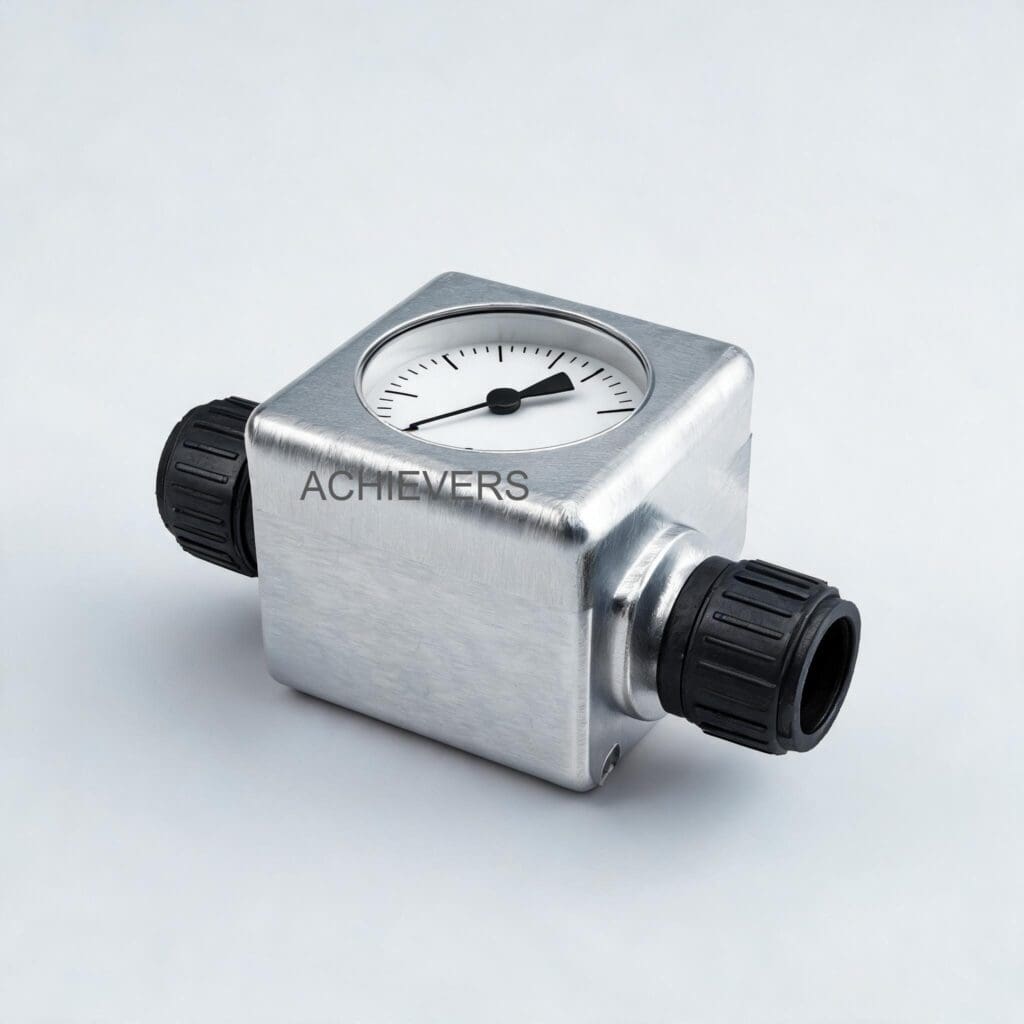
A Fuel Consumption Meter is a specialized digital flow measurement system uniquely designed for diesel generators and diesel engines. Unlike a standard flow meter that simply measures liquid moving through a single pipe, a true consumption meter must account for the mechanical reality of diesel engines: they draw more fuel from the tank than they actually burn. The excess fuel is used to cool and lubricate the fuel injectors before being returned to the tank.
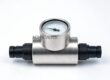
To calculate the true fuel burned, the Fuel Consumption Meter uses a differential measurement architecture. It is integrated with two separate high-precision oval gear flow sensors. One sensor is installed on the inlet (supply) line to record the total diesel drawn from the tank. The second sensor is installed on the return line to record the excess diesel sent back.
Crucially, the system features a dedicated microprocessor-based fuel calculator that instantly processes the data from both sensors. The calculation is straightforward (Total Fuel Consumption = Supply Amount – Return Amount), but the execution requires immense precision. Furthermore, because the returning fuel is highly agitated and aerated from the engine's heat and vibration, the system includes deaeration protocols to remove air bubbles before the return flow is measured. Without this, the meter would measure air volume as liquid fuel, severely skewing the data.
Below is a technical breakdown of the core specifications based on Achievers' proven architecture:
| Specification | Technical Value | Engineering Notes |
| — | — | — |
| Sensing Element | Aluminum anodized oval gear | Positive displacement design ensures high accuracy regardless of fluid viscosity changes. |
| System Accuracy | 0.5% of actual consumption | Measures the calculated differential accurately to prevent fuel theft and logging errors. |
| Sensor Accuracy | 0.1% FSD | High precision at standard installation positions for both supply and return lines. |
| Power Supply | 5 Vdc to 24 Vdc | Capable of running directly on board engine battery power; handles voltage dips seamlessly. |
| Data Output | RS-485 / RS-232 / Pulse | Allows direct integration with GPS tracking, GPRS modems, and plant SCADA systems. |
2. Key Selection Criteria for Indian Industrial Buyers
When acting as a fuel consumption meter supplier or evaluating one, it is vital to look beyond basic flow rates. Indian industrial sites present unique challenges: ambient temperatures routinely exceed 45 degrees Celsius, fuel is frequently contaminated, and electrical power can be highly unstable. Your selection must account for these realities.
Here are the six critical criteria you must evaluate when selecting a fuel consumption meter for DG sets in India:
2.1 Differential Measurement Architecture
You cannot measure diesel engine consumption with a single flow meter. Modern diesel engines circulate up to three times more fuel than they consume at idle. If you only place a meter on the supply line, you are measuring circulation, not consumption. You must select a system that provides two distinct flow sensors (inlet and return) and a central calculator that automatically processes the differential. This prevents the need for manual math and eliminates discrepancies in your logging.
2.2 Aeration Management in High Ambient Heat
In Indian summers, diesel returning from a hot engine block is exceptionally hot. As it returns to the tank, this heat and turbulence cause the diesel to foam and trap air bubbles. Positive displacement meters measure volume. If air bubbles are present, the return-line sensor will read a higher volume than actual liquid, making your net consumption calculation artificially low. The system you choose must incorporate deaeration mechanisms on the return flow to ensure the sensor measures pure, bubble-free diesel.
2.3 Robust Sensor Technology (Oval Gear)
Given the potential for particulate contamination in Indian diesel supplies, the internal mechanism of the flow sensor is critical. Oval gear technology is the industry standard for this application. It relies on two interlocking gears displaced by the fluid. Because it is a positive displacement technology, it is highly accurate even when fuel viscosity changes due to temperature swings. Furthermore, selecting sensors with aluminum anodized construction ensures they can withstand the harsh vibrations of an engine room or mobile construction equipment.
2.4 Resilient Power Supply Handling
Industrial DG sets and heavy earth-moving equipment experience significant voltage drops, particularly during start-up sequences. If your digital meter resets or loses data during a voltage dip, your consumption records are ruined. The ideal fuel consumption meter should operate on a wide voltage band—specifically 5 Vdc to 24 Vdc or up to 29 Vdc. This allows the unit to be powered directly from the on-board engine battery, ensuring continuous, uninterrupted measurement regardless of external grid stability.
2.5 Industrial Data Communication (RS-485)
In the modern Indian plant or logistics fleet, isolated data is dead data. Operations managers need real-time fuel burn rates fed into centralized dashboards. This makes RS-485 serial output a mandatory requirement. If you are looking for the best fuel consumption meter with RS-485 for diesel engine monitoring, ensure the calculator unit natively supports this protocol along with RS-232 or digital pulse outputs. This allows seamless integration with GPRS modems for remote DG sets, GPS systems for heavy transport fleets, and SCADA systems for large manufacturing facilities.
2.6 Engine Horsepower Compatibility
Selecting a meter based purely on pipe diameter is a critical engineering flaw. Fuel consumption meters must be matched to the exact fuel flow dynamics of the engine, which correlates directly with Engine Horsepower (HP). A meter designed for a 100 HP engine will create excessive pressure drop and restrict fuel flow if installed on a 1500 HP mining generator, potentially starving the engine. Always specify the equipment based on the HP rating of your prime mover.
3. Model and Variant Comparison
To make an informed purchase decision, you must map your specific engine size to the correct meter architecture. Over-sizing wastes capital, while under-sizing restricts engine performance and risks equipment failure.
Use this practical decision table to align your engine's horsepower with the appropriate Fuel Consumption Meter configuration. All models feature the standard dual-sensor setup, central fuel calculator, and options for RS-485 digital output.
| Order Code / Model | Flow Sensor Configuration | Engine Horsepower Rating | Primary Industrial Applications |
| — | — | — | — |
| FCM:006 | 2 nos: CE-006 sensors | Up to 200 HP | Small commercial DG sets, agricultural tractors, light construction equipment. |
| FCM:008 | 2 nos: CE-008 sensors | 200 HP to 400 HP | Medium-sized factory backup generators, heavy-duty commercial trucks. |
| FCM:012 | 2 nos: CE-012 sensors | 400 HP to 1000 HP | Large manufacturing plant prime power, earth-moving mining machinery. |
| FCM:020 | 2 nos: CE-020 sensors | 1000 HP to 1500 HP | Grid-scale standby power, heavy marine diesel engines, large mining excavators. |
| FCM:025 | 2 nos: CE-025 sensors | 1500 HP to 2000 HP | Mega-infrastructure power generation, heavy locomotive applications. |
4. Common Mistakes Indian Buyers Make When Choosing
Even experienced procurement heads can make critical errors when investing in fuel monitoring infrastructure. Because fuel flow dynamics are complex, missing a single site variable can lead to a failed implementation. Avoid these frequent missteps:
- Attempting to Use a Standard Single-Line Meter:
The most common and costly mistake is buying a standard single-line Diesel Flow Meter and installing it only on the supply line from the day tank. Because the engine returns massive amounts of unburnt fuel, your readings will suggest the engine is burning up to three times its actual consumption. Always insist on a dedicated dual-sensor consumption meter for engines with return lines.
- Ignoring Fuel Deaeration on the Return Line:
Engine heat causes diesel to foam. If you pass aerated diesel through a return sensor, the air volume is counted as liquid fuel volume. This inflates the return calculation, which artificially reduces the calculated consumption figure. Staff can use this artificially low consumption reading to mask organized fuel theft.
- Failing to Install Y-Type Strainers:
Indian diesel is frequently transported in dusty conditions or stored in older tanks prone to rust and condensation. Oval gear meters are highly accurate but have tight internal clearances. Pumping unfiltered diesel directly into the sensors will cause the gears to jam, leading to immediate system failure. Always specify and install Y-type fuel strainers directly upstream of both the supply and return sensors.
- Sizing the Meter by Line Connection Instead of Engine HP:
Procurement teams often look at an engine's 1-inch fuel line and buy a 1-inch flow meter. However, internal flow capacities vary wildly. If the internal flow capacity of the meter is lower than the engine's required flow rate at peak load, the engine will be starved of fuel, resulting in power loss, overheating, or failure. Always use the engine's HP rating (e.g., 400 HP to 1000 HP) as the primary sizing metric.
- Overlooking Telematics and Digital Outputs:
Buying a meter with only a local LCD screen limits your operational visibility. If the DG set is in a remote telecom tower or a distant corner of a massive cement plant, manual reading is inefficient and prone to tampering. Failing to specify digital outputs like RS-485 means you cannot integrate the data into your central GPRS or SCADA systems, crippling your ability to monitor fuel burn in real time.
Common Mistake to Avoid
The Battery Power Trap: Do not run your fuel consumption meter on AC mains power. During a grid failure, the DG set takes 10 to 30 seconds to start and take the load. If your meter is on AC power, it shuts down during this window, losing critical startup fuel burn data. Always power the meter directly from the engine's 12V or 24V DC battery to ensure seamless, continuous measurement.
5. Enquiry Specification Checklist
When you are ready to reach out to a fuel consumption meter supplier, providing a complete technical specification ensures you get an accurate quote and the right equipment on the first attempt. Using a structured approach guarantees that the engineering team understands your exact site conditions and operational goals.
Use this rigorous 9-point checklist as your blueprint when writing your procurement enquiry. Having these details ready prevents endless back-and-forth emails and ensures seamless integration into your existing infrastructure.
- Total Engine Horsepower (HP): State the exact make, model, and horsepower of the diesel engine or DG set (e.g., Cummins 750 HP). This dictates whether you need an FCM:012, FCM:020, or another variant.
- Maximum Supply and Return Flow Rates: If known from the engine manufacturer's data sheet, provide the maximum volumetric flow rate (liters per hour) for both the supply pump and the return line.
- Power Supply Availability: Confirm the voltage of the engine battery that will power the meter. Specify if it is a 12 Vdc or 24 Vdc system.
- Data Logging and Communication Protocols: Clearly state how you intend to read the data. Specify if you require RS-485 Modbus, RS-232, or a digital pulse output to interface with an existing GPS/GPRS modem or SCADA dashboard.
- Display Unit Location: Specify whether the microprocessor display unit will be mounted locally on the engine skid or routed to a remote control panel.
- Unit of Measurement: Indicate your preferred standard unit for the digital readout (e.g., Liters, Gallons, or Cubic Meters).
- Filtration Setup: Confirm the inclusion of Y-type strainers to protect the anodized aluminum oval gear sensors from particulate contamination.
- Ambient Site Conditions: Note any extreme environmental factors. Will the system be exposed to direct monsoon rains, heavy mining dust, or temperatures exceeding 50°C?
- Fluid Characteristics: While diesel is standard, note if you are using any specific biodiesel blends or heavy fuel oils, as this impacts the viscosity and material compatibility of the sensors.
By systematically evaluating your requirements against this checklist, you transform the purchasing process from a guessing game into a precise engineering exercise. A robust selection process ensures you deploy a system that delivers market-leading 0.5% accuracy, completely stops fuel pilferage, and provides reliable data for years to come.
Whether you are monitoring a single heavy transport truck or an entire fleet of 1500 HP grid-backup generators, accurately mapping your operational realities to the meter's technical capabilities is the key to maximizing your fluid handling investments.
FAQ
Q: Can I use a standard water or oil flow meter to measure my diesel generator's consumption?
A: No. Diesel engines require a differential measurement system due to their supply and return lines. A single standard flow meter cannot subtract the unburnt returning fuel, resulting in massive measurement inaccuracies. You must use a dedicated system with dual sensors and a central calculator.
Q: Why is deaeration necessary on the engine's return line?
A: Fuel returning from a running engine is hot and highly agitated, causing it to foam and create air bubbles. Positive displacement meters measure total volume; without deaeration, the meter will count air as liquid fuel, artificially lowering your net consumption reading and destroying data accuracy.
Q: What power source does the meter require, and what happens during a power cut?
A: The system is designed to operate on a 5 Vdc to 24 Vdc supply, allowing it to be powered directly from the engine's onboard battery. This ensures the meter remains continuously powered and logging data even when the mains grid fails and the generator is starting up.
Q: How accurate is the consumption calculation?
A: When installed correctly with proper deaeration and filtration, the system accuracy is guaranteed at 0.5% of the actual fuel consumption. The individual oval gear sensors boast a precision of 0.1% FSD in standard installation positions.
Q: How do I connect the meter to my remote fleet monitoring software?
A: The central fuel calculator unit can be optionally equipped with RS-485, RS-232, or digital pulse outputs. This allows you to wire the meter directly into third-party GPS trackers, GPRS modems, or centralized SCADA dashboards for real-time remote monitoring.
Q: Do I need to install additional filters before the flow sensors?
A: Yes. Because the precision oval gear sensors have tight internal tolerances to maintain accuracy, you must install Y-type strainers immediately before both the supply and return sensors to trap rust, dirt, and contaminants commonly found in industrial diesel tanks.
Q: How do I choose the correct model size for my application?
A: Do not size the meter based on pipe diameter. You must match the meter to your engine's horsepower. For example, an FCM:008 is suited for 200 to 400 HP engines, while an FCM:020 is designed for massive 1000 to 1500 HP engines. Consult the model variant table to ensure proper flow capacity.
Ready to gain total control over your fuel costs and eliminate manual measurement errors? Contact our technical engineering team today to specify the exact Fuel Consumption Meter for your facility. Simply share your engine horsepower, preferred data output (like RS-485), and site conditions, and we will provide a custom-engineered solution that ensures immediate ROI and unbreakable accuracy.