For Indian bulk fuel depots, mining sites, and large-scale manufacturing plants, managing high-speed diesel (HSD) is an exercise in strict financial control. With diesel prices consistently elevated, even a fractional percentage error during tanker unloading or internal inventory transfer translates to massive compounding losses over a fiscal year. Traditional measurement methods—like tanker dipsticks or visual sight glasses—are prone to human error, temperature-volume variations, and intentional tampering.
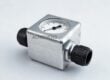
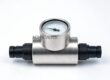
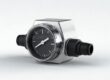
To gain absolute control over inventory reconciliation, operations managers and procurement heads are increasingly upgrading their terminal automation with a highly precise Diesel Flow Meter. By integrating a positive displacement, oscillating piston-based meter into the receiving line, depots can establish a definitive, tamper-proof source of truth for every drop of fuel that enters or leaves the facility.
This guide explores how a Diesel Flow Meter solves the specific fluid handling challenges of Indian bulk fuel operations, detailing its technical capabilities, installation best practices, and the direct impact on your bottom line.
1. Industry Overview: The Fluid Challenge
Handling bulk diesel in the Indian industrial landscape presents a unique set of environmental and operational challenges. A typical cement plant, petrochemical facility, or transport depot may receive multiple 20 KL (kiloliter) or 24 KL tankers daily. At these volumes, minor discrepancies create major financial leakages.
First, there is the issue of temperature. In states like Rajasthan or Gujarat, ambient summer temperatures routinely exceed 45°C. Diesel expands when heated and contracts when cooled. If a tanker is loaded at a refinery at 25°C and travels for two days in the scorching heat, the volume expands. If depot operators rely solely on dipstick markings without accurate volumetric flow measurement and density reconciliation, they will log a false surplus that vanishes as the fuel cools in underground tanks.
Second, the quality of infrastructure varies. Fuel traversing the country often picks up particulate matter, rust from aging tanker vessels, or condensation. Pumping this contaminated fuel through sensitive transfer lines without adequate filtration degrades equipment and affects batching accuracy.
Finally, there is the phenomenon of "air entrainment." During the final stages of emptying a tanker, transfer pumps inevitably pull in air. Inferior meters read this air as liquid fuel, artificially inflating the receipt records. You end up paying diesel prices for empty air.
To combat these challenges, facility managers need a robust, high-accuracy Diesel Flow Meter engineered specifically for harsh environments, fluctuating viscosities, and continuous heavy-duty operation.
2. Product Capabilities Matched to Industry Needs
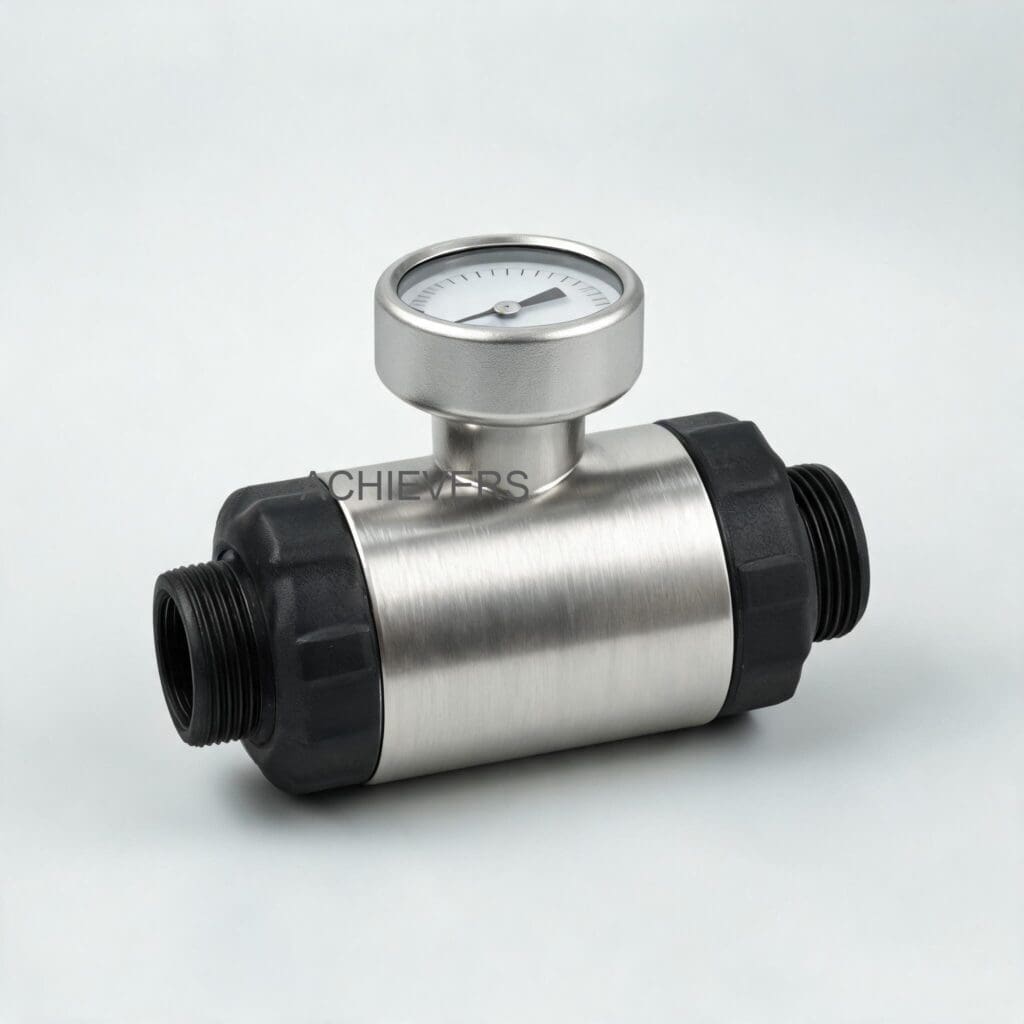
When comparing measurement technologies for bulk fuel receipts, the oscillating piston design stands out for its reliability. Because it features a single moving component in the assembly, it ensures an extremely steady operation over a long lifespan. Coupled with ultra-low powered electronic, solid-state magnetic sensors, it merges the simplicity of mechanical measurement with the reliability of modern digital readouts.
Below is a technical breakdown of how specific features address the realities of Indian bulk depots:
| Industry Requirement | Diesel Flow Meter Feature | How It Addresses the Need |
| :— | :— | :— |
| High-Volume Custody Transfer | Wide working flow range of 3.0 to 24000 LPH | Easily handles the rapid decantation rates required to offload 20 KL to 24 KL tankers without causing depot bottlenecks. |
| Strict Inventory Reconciliation | Ensured accuracy of +/- 0.2% of reading | Limits volume disputes to a mere 40 liters on a 20,000-liter load, practically eliminating untraceable shrinkage. |
| Sites Lacking Pump Infrastructure | Low pressure drop | Permits pure gravity head operation, meaning tankers can be unloaded safely even without transfer pumps. |
| Hazardous Zone Safety | Weatherproof and fireproof enclosures | Crucial for PESO-compliant zones; prevents spark risks during electronic readout in highly flammable environments. |
| Extreme Climate Operations | Ambient temperature rating of -40 to 80°C | Flawlessly operates in both freezing Himalayan winters and extreme central Indian summer heatwaves. |
| Dirty/Contaminated Fuel Lines | Built-in high capacity reusable wire mesh filter | Traps rust, debris, and adulterants before they enter the metering chamber, ensuring fit-and-forget operation. |
| SCADA / PLC Integration | NPN output signal (5-24V DC power) | Allows direct integration into modern terminal automation systems for real-time remote monitoring and automated ticketing. |
| Adaptability to Pipe Infrastructure | Available in 1 inch to 5 inch Line Size | Seamlessly retrofits into existing manifold headers, whether standard 2-inch receiving lines or massive 5-inch bulk transfer mains. |
3. Typical Installation Scenarios in This Industry
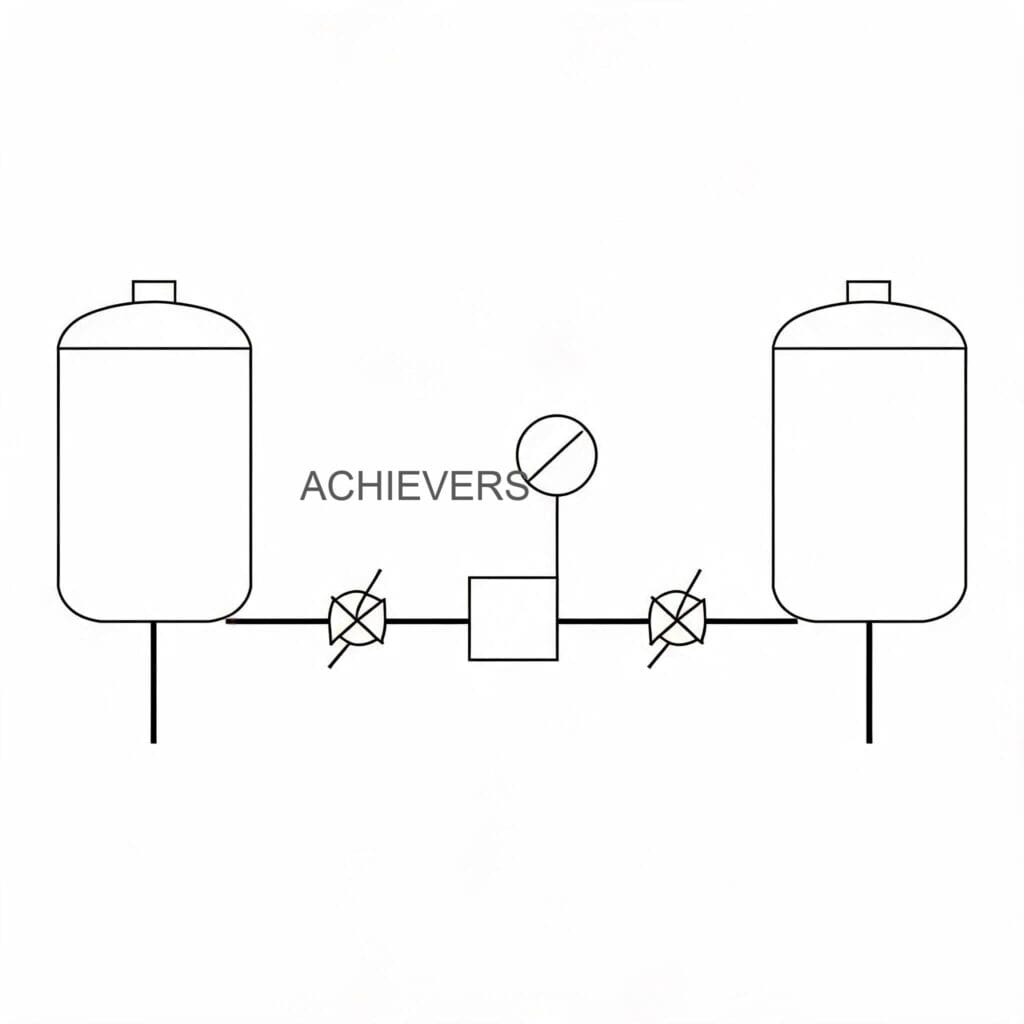
The versatility of this metering technology allows it to be deployed across various points of the fuel custody chain. Here are the three most common installation scenarios in Indian industrial plants:
Scenario A: Pump-Driven Tanker Unloading Manifold
In high-throughput transport and mining depots, speed is critical. Centrifugal or positive displacement gear pumps are used to strip tankers rapidly. The meter is installed downstream of the pump.
- Configuration: 3-inch or 4-inch SS-316 body to handle high velocity.
- Key Integration: In this setup, it is highly recommended to install an air eliminator directly upstream of the meter. Because the pump forces air through the line when the tanker runs dry, the eliminator vents this air before it reaches the oscillating piston, ensuring the meter only registers liquid diesel.
Scenario B: Gravity-Fed Decanting Lines
Many smaller depots or remote construction sites lack dedicated unloading pumps, relying instead on gravity to transfer fuel from the tanker into underground storage tanks (UGT).
- Configuration: 2-inch or 3-inch Aluminum anodized body.
- Key Integration: Because the meter features an ultra-low pressure drop design, it does not impede the natural flow of gravity. The internal reusable wire mesh filter is checked periodically to ensure flow isn't choked by gravity-fed sediment.
Scenario C: Internal Plant Transfers and Batching
Once fuel is securely in the UGT, it must be distributed to day tanks for generators, boilers, or heavy earth-moving machinery.
- Configuration: 1-inch or 2-inch meter linked to a Liquid Batching System.
- Key Integration: The NPN output signal is wired directly into the batch controller. The operator sets a required volume (e.g., 500 liters for a generator day tank), and the system automatically shuts a solenoid valve the moment the meter registers the exact volume.
Common Mistake to Avoid
Installing the meter at the highest point of the pipe layout.
Fluid lines should be designed so the meter remains completely full of liquid at all times. Installing a meter at the crest of an inverted U-bend creates a trap where air pockets accumulate. These trapped air pockets cause the oscillating piston to over-spin, leading to wildly inaccurate readings and accelerated wear on the hard stainless steel-316 shaft. Always install the meter in a low section or a vertical line with upward flow.
4. Compliance, Accuracy, and Certification Requirements
In India, bulk fuel handling is heavily regulated to ensure safety and fair trade. Selecting a meter is not just an engineering decision; it is a compliance mandate.
Legal Metrology Act: For operations where custody transfer takes place (i.e., you are paying a supplier based on the volume received), the measurement equipment must offer high repeatability and accuracy. With a precision of +/- 0.2% of reading and repeatability of +/- 0.1%, this metering technology provides the auditable data required to contest short-shipments with oil marketing companies (OMCs) or private transporters.
PESO (Petroleum and Explosives Safety Organisation): HSD is a Class B petroleum product. Electrical equipment operating in close proximity to bulk diesel storage must prevent the ignition of combustible vapors. The availability of flameproof (explosion-proof) electronic enclosures ensures that the digital displays and NPN signal wiring comply with hazardous area classification norms.
Viscosity and Fuel Adulteration: Diesel viscosity fluctuates based on temperature and potential adulteration (such as blending with kerosene). The oscillating piston design is inherently immune to minor viscosity shifts, operating accurately across a viscosity range of 0.612 to 5.35 mm²/s. Unlike turbine meters that lose accuracy when fluid thins out, this positive displacement method maintains its 0.2% accuracy regardless of summer heat thinning the fuel.
5. ROI and Operational Benefits
Investing in high-accuracy measurement is rarely seen as an expense by astute operations managers; it is a rapid-payback mechanism for loss control.
Quick ROI Snapshot
- Typical Capital Expenditure: ₹40,000 – ₹1,50,000 (depending on line size and enclosure).
- Estimated Daily Volume: 20,000 Liters.
- Previous Measurement Error: 0.5% (Dipstick / Sight Glass discrepancy).
- Fuel Saved Per Day: 100 Liters (Approx ₹9,000 at ₹90/L).
- Typical Payback Period: 5 to 15 days of active unloading.
By eliminating the "gray area" of fuel receipts, businesses transition from reactive dispute resolution to proactive inventory control.
| Benefit | Typical Improvement | Indian Industry Context |
| :— | :— | :— |
| Shrinkage Reduction | Reduces unaccounted fuel loss from 1-2% down to 0.2%. | Halts pilferage and short-deliveries common in third-party transport logistics. |
| Faster Reconciliation | Cuts daily inventory audit time from hours to minutes. | Electronic digital displays and NPN outputs allow SCADA systems to instantly update ERP software. |
| Equipment Protection | 100% prevention of large debris entering tanks. | Built-in reusable wire mesh filter catches the heavy rust and scale prevalent in aging Indian tanker fleets. |
| Maintenance Uptime | Multi-year operation without recalibration. | The single moving part design (rotor) resists wear far better than complex mechanical gear meters. |
6. Selection Checklist for This Industry
To ensure you procure the exact configuration required for your depot's unique site conditions, use this 8-point specification checklist when engaging with suppliers:
- Determine the Line Size: Measure your existing pipe headers. Select between 1" to 5" inch line sizes to avoid unnecessary reducers or expanders that cause pressure drops.
- Identify Flow Rate Boundaries: Calculate your pump capacity or gravity flow rate. Ensure it falls comfortably within the 3.0 to 24000 LPH working range.
- Specify the Enclosure Type: Dictate whether your installation zone requires a Weatherproof enclosure (for standard outdoor UGT setups) or a Flameproof enclosure (forPESO-classified hazardous zones).
- Confirm Power Availability: Determine if you need self-powered/remotely powered options or if you can supply the standard 5-24V DC power voltage required for the sensors.
- Select Body Material: Choose Aluminum anodize for standard HSD and internal depot usage, or upgrade to S.S-316 for harsher environments or if cross-utilizing the meter for corrosive solvents.
- Verify Rotor Material: Depending on usage frequency, select Aluminum anodize, S.S-316, or PPS.
- Define Output Signal Needs: If you are integrating with a PLC, SCADA, or Fuel Dispensers, explicitly request the NPN output signal capability.
- Assess Operating Pressure: Confirm that your unloading pump's maximum deadhead pressure does not exceed the meter's maximum working pressure of 10MPa.
FAQ
Q: Can this meter handle gravity-fed unloading directly from a tanker?
A: Yes. The meter is designed with an extremely low pressure drop, which permits gravity head operation without choking the flow or requiring an auxiliary transfer pump.
Q: How do we prevent the meter from reading air when the tanker is completely empty?
A: For pump-driven unloading lines, it is highly recommended to install a mechanical air eliminator upstream of the meter. This vents the air before it reaches the measuring chamber, ensuring you are only billed for liquid diesel.
Q: Will the extreme summer heat in India affect the electronic display or accuracy?
A: No. The fluid and ambient temperature rating is robust, operating effectively from -40°C up to 80°C. The mechanical components themselves can handle operations at a maximum of 150°C.
Q: Does the meter require frequent calibration due to dirt in the fuel?
A: The oscillating piston design is highly resistant to wear. Additionally, it features a built-in high-capacity reusable wire mesh filter that traps debris. You only need to periodically clean this filter to maintain optimal accuracy and flow.
Q: What happens in the event of a power failure at our site?
A: The system offers self-powered device options ensuring a "fit and forget" operation. If utilizing the digital electronic displays, battery-backed or self-powered variants ensure you do not lose your batch data during standard Indian grid fluctuations.
Q: Is the output signal compatible with our existing plant automation system?
A: Yes. The meter provides an NPN output signal powered by a standard 5 to 24V DC input. This is universally compatible with most industrial PLCs, SCADA systems, and batch controllers.
Q: Why choose an oscillating piston over a standard turbine flow meter for diesel?
A: Turbine meters are highly sensitive to viscosity changes (which happen when diesel heats up or cools down). The oscillating piston is a positive displacement technology, meaning it physically measures discrete volumes of fluid. It maintains its tight +/- 0.2% accuracy across a viscosity range of 0.612 to 5.35 mm²/s.
Ready to lock down your inventory and stop paying for air, temperature variations, and short deliveries? Contact the engineering team at Achievers Pumps and Valves today. Share your pipe line size, expected unloading flow rates, and site conditions, and our experts will configure the exact flow measurement solution to secure your fuel investments.