Managing industrial fuel isn't just about moving liquid from a bulk tank into a vehicle or generator; it is about strict inventory control, operator safety, and operational speed. At an industrial scale, even a 1% margin of error in fuel metering can translate to thousands of liters of unaccounted fuel loss over a financial quarter. Furthermore, a poorly specified dispensing system results in agonizingly slow turnaround times, premature pump failure, and serious safety or compliance violations in hazardous environments.
Whether you are running a remote mining operation, a fast-paced transport depot, or an offshore power generation site, selecting the right Fuel Dispensers is a critical engineering and financial decision. This buyer’s guide is designed to help industrial engineers, procurement heads, and operations managers specify the exact dispensing system their site requires. We will move past surface-level features to focus on real outcomes: accurate issuing, faster turnaround times, and ironclad fuel-loss control.
Quick ROI Snapshot
- Typical Payback Period: 8 to 14 months (driven by fuel loss recovery and accurate inventory tracking).
- Accuracy Improvement: Dispensing accuracy up to ±0.5% with ±0.1% repeatability.
- Downtime Reduction: Up to 30% faster fleet turnaround by matching flow rates to vehicle tank capacities.
1. What Are Fuel Dispensers and What Do They Do
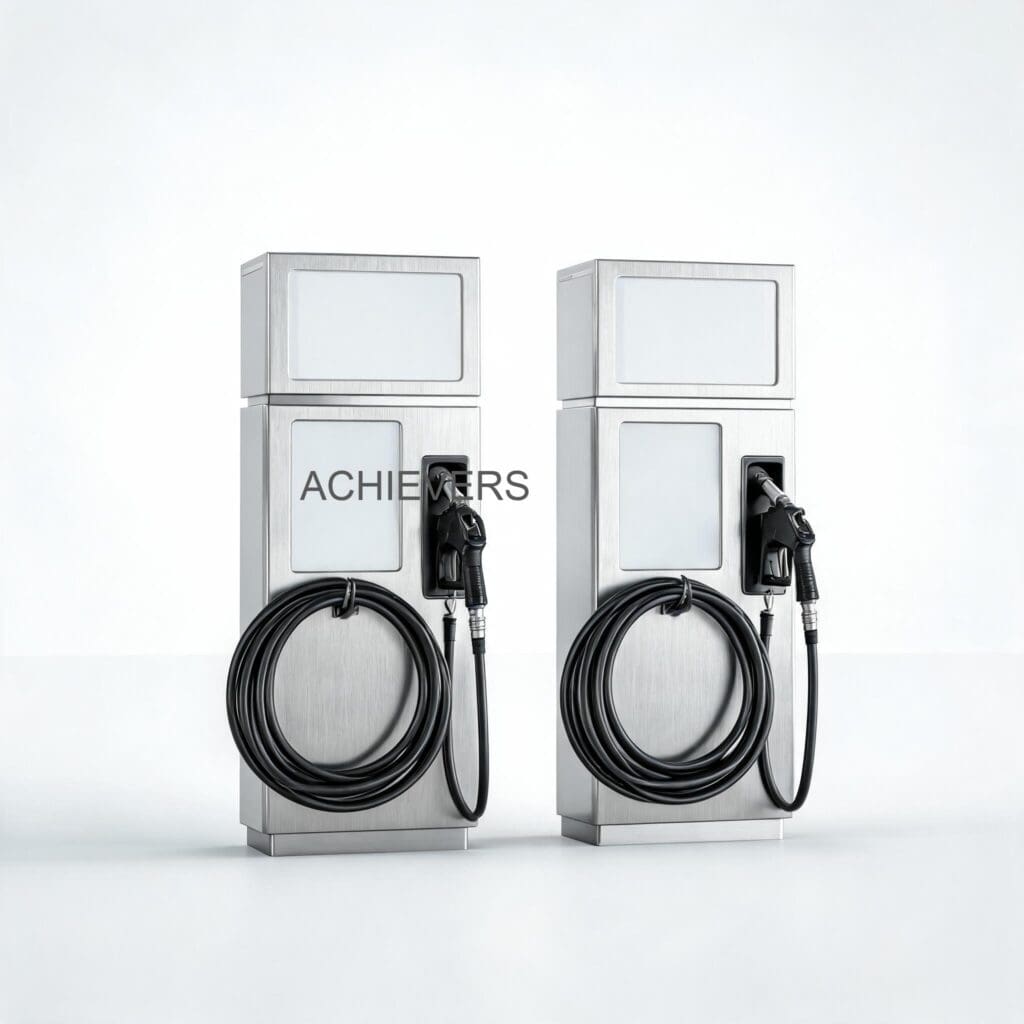
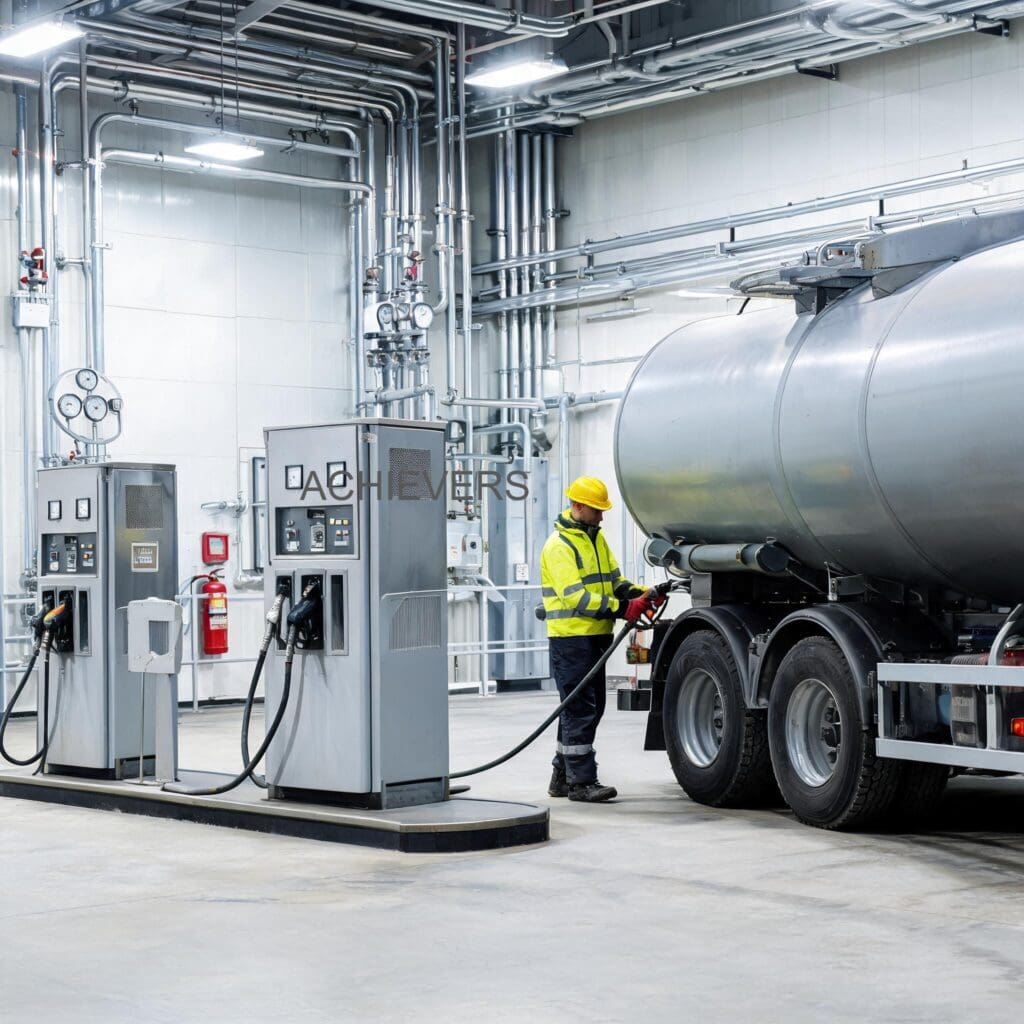
At its core, industrial Fuel Dispensers are integrated fluid handling systems engineered to safely transfer, measure, and log liquid fuels like diesel, biodiesel, or kerosene. Unlike basic transfer pumps, a complete dispensing system is designed for metrological accuracy and commercial-grade durability.
Out of the box, high-quality units integrate several distinct mechanical and electronic components: a self-priming transfer pump (typically vane or gear type) to pull fuel from underground or above-ground tanks, a highly accurate internal flow meter (piston or oval-gear), a large-capacity inline filtration system, and an automatic shut-off nozzle to prevent hazardous overflows. They also feature resettable batch displays and cumulative totalizers so operators can track both individual fills and lifetime consumption.
Below is a breakdown of the core technical capabilities expected from an industrial-grade system:
| Specification | Standard Capability | Engineering Notes |
| :— | :— | :— |
| Flow Rate | 60 LPM to 200 LPM | 60 LPM suits standard commercial vehicles; 200 LPM is required for heavy earth-moving machinery. |
| Metering Accuracy | ±0.5% standard | High-precision piston or oval-gear flow meters ensure tight inventory control. |
| Repeatability | ±0.1% | Crucial for consistent batching and legal metrology compliance. |
| Pumping Technology | Self-priming vane or gear | Ensures reliable suction lift from deep underground storage tanks. |
| Power Options | 220V AC, 440V AC, 12V/24V DC | DC options allow for integration into mobile fuel bowsers or remote sites without grid power. |
| Filtration | Built-in large capacity | Protects the precision internals of the flow meter from particulate damage. |
2. Key Selection Criteria for Global Industrial Buyers
Selecting Fuel Dispensers requires mapping your site's physical conditions and operational goals directly to hardware specifications. Here are the six critical criteria to evaluate.
Flow Rate and Delivery Speed
The most common metric buyers look at is Liters Per Minute (LPM). However, bigger is not always better. For standard fleet vehicles (vans, light trucks, forklifts), a standard 60 LPM flow rate is ideal. Pumping at higher speeds into small tanks causes severe fuel foaming, forcing the automatic shut-off nozzle to click off prematurely and frustrating the operator. Conversely, if you are fueling 1,000-liter tanks on mining excavators, a 60 LPM pump will take nearly 17 minutes per fill. For heavy industrial equipment, you need a high-flow custom model pushing 150 to 200 LPM.
Metering Accuracy and Technology
Inventory shrinkage is a massive hidden cost in industrial operations. To combat this, the internal metering technology must be flawless. Look for systems utilizing high-precision piston meters or oval-gear technology. These positive displacement meters trap fixed volumes of fluid, ensuring that variations in fuel viscosity or system pressure do not impact the readout. An accuracy of ±0.5% with a repeatability of ±0.1% should be your baseline requirement.
Compliance and Hazardous Area Approvals
Industrial environments are highly regulated. If your site processes volatile chemicals, operates offshore, or is simply bound by strict global safety standards, your dispenser must meet specific safety ratings. If operating in potentially explosive atmospheres, ensure the dispenser is equipped with a Flameproof (FLP) motor and ATEX/IECEx compliant enclosures. Additionally, for commercial operations, verify that the unit has appropriate legal metrology or Weights & Measures approvals to legally log consumption.
Power Quality and Availability
Industrial sites—especially remote mining camps or construction zones—often suffer from unstable power grids. You must align the dispenser's motor with your available power. Standard operations run effectively on 220V AC single-phase power, while heavy-duty, continuous-use depots might require 440V AC three-phase setups. If you are mounting the system to a fuel truck, specify 12V DC or 24V DC configurations.
Built-in Filtration
Diesel and biodiesel frequently suffer from particulate contamination and water ingress during bulk transport. If debris enters the dispenser, it will scar the internal surfaces of the high-precision flow meter, instantly destroying your ±0.5% accuracy. Ensure the unit features a built-in, large-capacity filter before the metering chamber.
Controls, Display, and Data Outputs
Modern fuel management requires data. Standard units offer digital batch displays and cumulative totalizers readable in low-light conditions. However, heavy-duty industrial setups often benefit from optional add-ons like integrated receipt printers, preset batch dispensing controls (shutting off automatically after a set volume), and outputs compatible with broader site-wide fuel management software.
3. Model and Variant Comparison
To help you narrow down the correct configuration for your depot, below is a technical comparison of standard industrial dispenser configurations.
| Model Series | Flow Range | Metering Accuracy | Power Options | Best Suited For |
| :— | :— | :— | :— | :— |
| CE-116 Economy | Up to 60 LPM | ±0.5% | 220V AC | Smaller operations, light industrial use, cost-sensitive day-to-day fuelling. |
| CE-117 Standard | Up to 60 LPM | ±0.5% | 220V AC | Standard fleet depots, mid-size logistics operations, factory yard equipment. |
| CE-202 Heavy-Duty | Up to 60 LPM | ±0.5% | 220V AC / 440V AC | High-volume continuous fuelling, large transport companies, optional FLP motors. |
| CE-201 / CE-215 / CE-217 Custom | Up to 200 LPM | ±0.5% | Custom (AC/DC) | Heavy earth-moving machinery, remote monitoring, double-nozzle needs, Adblue. |
4. Common Mistakes to Avoid When Choosing
Procurement teams often treat fluid dispensing as a commodity purchase, leading to costly specification errors. Avoid these common industrial pitfalls:
- Mismatching Flow Rate to Tank Necks: Specifying a 200 LPM pump for standard commercial trucks. The high velocity causes massive diesel foaming, forcing the Fuel Nozzles to shut off constantly and actually slowing down the fueling process.
- Ignoring Suction Lift Limitations: Installing a standard self-priming pump too far away from, or too high above, the underground storage tank. If the physical distance exceeds the pump’s NPSH (Net Positive Suction Head) capabilities, the pump will cavitate and fail prematurely.
- Skipping Flameproof (FLP) Requirements: Placing a standard electrical dispenser inside a designated ATEX Zone 1 or Zone 2 hazardous area. This is a severe safety and compliance violation that can lead to catastrophic accidents and site closures.
- Neglecting Fluid Compatibility: Attempting to pump Adblue or highly aggressive chemicals through a standard diesel dispenser. Adblue is highly corrosive to carbon steel and brass; it requires specially configured variants with stainless steel or specialized polymer internals.
- Overlooking the Operating Environment: Failing to specify powder-coated steel enclosures and backlit displays for outdoor, high-glare, or highly corrosive environments (such as coastal or offshore facilities).
Common Mistake to Avoid:
Relying purely on the visual gauge of the receiving vehicle rather than a metrologically approved dispenser totalizer. Vehicle gauges are notoriously inaccurate. Always base your fuel consumption, billing, and inventory reconciliation on the dispenser’s calibrated digital readout. If you lack accurate metering, you cannot track your true fluid handling ROI.
5. Enquiry Specification Checklist: A Step-by-Step Procedure
To eliminate back-and-forth during the purchasing process and ensure you receive the exact system required, follow this 8-step procedure to build your technical enquiry specification:
- Identify the Exact Fluid: Explicitly state what is being pumped (e.g., standard diesel, biodiesel blends, kerosene, or Adblue). This dictates the wetted materials of the pump and internal meter.
- Determine the Target Flow Rate: Calculate the ideal LPM by assessing the fuel tank sizes of your fleet. Specify if you need standard (60 LPM) or high-flow (up to 200 LPM).
- Specify the Suction Conditions: Document whether the source tank is above ground or underground, and provide the exact vertical lift and horizontal pipe run distances.
- Select the Power Supply: State the required voltage based on site availability (220V AC single phase, 440V AC three phase, or 12V/24V DC for mobile setups).
- Define Accuracy and Compliance Needs: Request ±0.5% accuracy and specify if you require legal metrology approvals for commercial or cross-departmental billing.
- Identify Hazardous Area Classifications: Note if the installation area requires flameproof (FLP) enclosures, ATEX certifications, or if standard industrial weatherproofing is sufficient.
- Specify Hose Lengths and Hardware: Standard hoses are typically 4 meters. If your depot requires fueling large machinery where access is difficult, specify custom hose lengths. Ensure an auto shut-off nozzle is included.
- Detail Control and Reporting Add-ons: Specify if you need receipt printers, preset batch capabilities, or integration with existing software (such as a separate Diesel Flow Meter control panel).
FAQ
Q: Can I use a standard dispenser for Adblue or aggressive chemicals?
A: No. Standard diesel dispensers utilize carbon steel, cast iron, and brass components that will corrode rapidly when exposed to Adblue. You must request a custom Adblue-compatible configuration featuring stainless steel and specialized elastomers.
Q: How often does the internal flow meter require calibration?
A: For optimal accuracy (±0.5%) and compliance with legal metrology, we recommend testing and recalibrating the internal flow meter every 6 to 12 months, depending on the volume of fuel passing through the system.
Q: Why does my automatic nozzle keep shutting off before the tank is full?
A: This is almost always caused by fuel foaming, which triggers the nozzle's safety shut-off sensor. It means your dispenser’s flow rate is too high for the diameter of the vehicle's tank neck.
Q: What is the maximum length I can make the delivery hose?
A: While custom lengths are available beyond the standard 4 meters, excessively long delivery hoses increase pressure drop and can reduce the overall flow rate. Consult our engineering team to balance hose length with pump capacity.
Q: Are these systems suitable for mobile or truck-mounted applications?
A: Yes. By specifying a 12V DC or 24V DC power configuration, the systems can be seamlessly integrated into fuel bowsers, mobile skids, and service trucks for remote field refueling.
Q: What happens if the pump runs dry?
A: While the pumps are self-priming and can handle brief periods of dry suction during the initial prime, extended dry running will cause severe heat buildup and destroy the internal vanes or gears. Always ensure adequate fluid levels in the bulk tank.
Q: Do extreme ambient temperatures affect metering accuracy?
A: Severe temperature swings can alter fluid viscosity and volume slightly, but the high-precision positive displacement meters (piston or oval-gear) utilized in these systems are designed to minimize these variations, ensuring stable accuracy across harsh operating environments.
Selecting the right dispensing architecture protects your capital from fuel loss, safeguards your operators, and drastically speeds up daily logistics. If you are ready to upgrade your depot's fluid handling capabilities, contact the technical team at Achievers Pumps and Valves. Send us an enquiry detailing your required flow rate, fluid type, and specific site conditions, and our engineers will help you configure the exact system your operation demands.