Unplanned downtime on a remote job site or busy logistics depot is one of the most hidden, yet devastating, costs in industrial operations. When a heavily utilized earthmover, generator, or fleet truck runs out of fuel and the on-site dispensing unit fails, your operation grinds to a halt. The labor costs of idle operators, delayed project timelines, and unrecorded fuel losses due to drifting meter calibration quickly dwarf the initial purchase price of your fluid handling equipment.
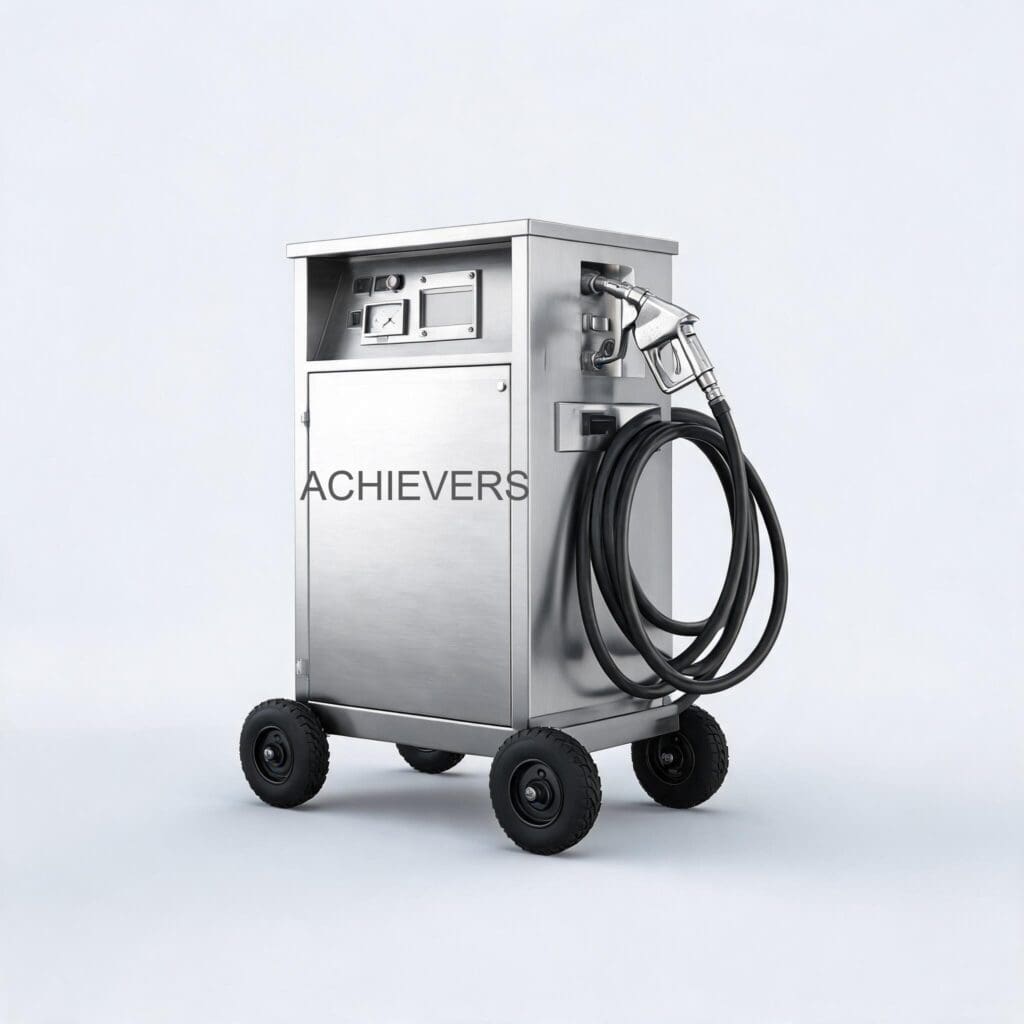
A Mobile Diesel Dispenser is designed to bring fuel directly to the point of use, eliminating the deadheading of heavy machinery back to a central fuel farm. Because these portable units are deployed in the harshest environments—from dusty mining pits to mud-soaked construction sites and vibrating truck beds—they are subjected to severe operational stress. A "run to failure" maintenance approach is not an option if you want to maintain your ±0.5% metering accuracy and safeguard your fuel inventory.
This guide provides a comprehensive, consultative preventive maintenance schedule tailored for industrial fleet managers, site engineers, and procurement heads. By implementing these practical routines, you will protect the precision of your oval-gear flow meters, extend the life of your transfer pumps, and eliminate the leaks and nozzle failures that erode your bottom line.
Quick ROI Snapshot
- Typical payback period for a strict PM program: Immediate (often recovered by preventing a single 4-hour heavy equipment delay).
- Reduction in unrecorded fuel loss: Up to 3% annually by preventing meter drift and eliminating micro-leaks.
- Lifespan extension: Increases equipment life by 40% compared to reactive maintenance.
1. Product Overview and Critical Wear Components
To properly maintain a Mobile Diesel Dispenser, operations managers must first understand its core architecture. These units are self-contained, meaning they integrate a transfer pump, a high-precision flow meter, an inline filtration system, a flexible delivery hose, and an automatic shut-off nozzle into a single skid or wall-mounted frame.
The heart of the dispensing accuracy lies in the digital oval-gear flow meter. Oval gear meters are positive displacement devices that trap a precise volume of fluid between two rotating gears. While highly accurate (achieving ±0.5% precision with a repeatability of ±0.1%), they are sensitive to particulate contamination. The clearances between the gears and the measuring chamber are microscopic. If the inline strainer fails or is bypassed, grit from dirty diesel will score the gears, causing internal slip, inaccurate batch totals, and eventually, a seized meter.
Similarly, the auto shut-off brass nozzle relies on a small vacuum port near the spout. When fuel covers this port, the vacuum drops, and a mechanical diaphragm snaps the main valve shut to prevent overfilling. Dust, mud, or fuel varnish can easily block this sensor port.
Here is a breakdown of the technical specifications for two standard configurations to illustrate the operating parameters your maintenance team will be working within:
| Parameter | High-Capacity Model (CE-130) | Compact Model (CE-204) |
| — | — | — |
| Optimal Applications | Bulk bowsers, large sites, mining | Small fleets, skid frames, DG sets |
| Applicable Media | Diesel / Biodiesel / Kerosene | Diesel / Biodiesel / Kerosene |
| Flow Rate | 60 to 200 LPM | 60 LPM |
| Metering Technology | Digital Oval Gear | Digital Oval Gear |
| Stated Accuracy | ±0.5% | ±0.5% |
| Max Working Pressure | 3 Bar | 3 Bar |
| Power Supply Options | 220V AC / 440V AC | 220V AC / 12V DC / 24V DC |
| Inlet / Outlet Size | 25 to 50 mm | 25 mm (1 inch) |
| Standard Delivery Hose | 4 m rubber (custom lengths available) | 4 m rubber |
| Dispensing Nozzle | Auto shut-off, brass | Auto shut-off, brass |
2. Preventive Maintenance Schedule
Transitioning from a reactive to a preventive maintenance strategy requires structure. The following schedule is designed for Mobile Diesel Dispenser units operating in standard to demanding industrial conditions. For operations running 24/7 or in highly abrasive environments, increase the frequency of the weekly and monthly checks.
| Task | Frequency | Responsible | Est. Time | Notes |
| — | — | — | — | — |
| Visual Inspection for Leaks | Daily (Pre-shift) | Operator | 2 mins | Check pump housing, meter flanges, hose connections, and nozzle swivel for weeping diesel. |
| Nozzle Spout & Vacuum Port Check | Daily (Pre-shift) | Operator | 2 mins | Wipe down the brass nozzle. Ensure the small vacuum hole near the tip is free of mud and debris. |
| Hose Abrasion Inspection | Weekly | Operator | 5 mins | Inspect the 4 m rubber delivery hose for cuts, bulges, or weather cracking. Replace if the wire braid is exposed. |
| Inline Strainer / Filter Cleaning | Monthly | Maintenance Tech | 15 mins | Isolate power. Remove and wash the mesh strainer in clean solvent. Blow dry with compressed air. |
| Electrical Terminal & Grounding Check | Monthly | Maintenance Tech | 10 mins | For 12V/24V DC models, check battery terminals for corrosion. Ensure frame grounding is intact to prevent static. |
| Batch Display & Totalizer Verification | Monthly | Operator/Tech | 5 mins | Confirm the digital display is legible, backlight functions, and the resettable batch counter zeroes out correctly. |
| Pump Seal & Motor Bearing Inspection | Quarterly | Maintenance Tech | 20 mins | Listen for abnormal motor whine or rattling. Inspect the mechanical seal weep hole for heavy dripping. |
| System Pressure Test | Quarterly | Maintenance Tech | 15 mins | Run the pump with the nozzle closed against deadhead pressure (max 3 Bar) briefly to verify bypass valve operation. |
| Volumetric Calibration Verification | Semi-Annually | Calibration Tech | 30 mins | Dispense into a certified volumetric proving can. Adjust meter calibration factor if deviation exceeds ±0.5%. |
| Oval Gear Chamber Inspection | Annually | Maintenance Tech | 60 mins | Open the flow meter housing. Inspect gears and shafts for scoring. Replace O-rings upon reassembly. |
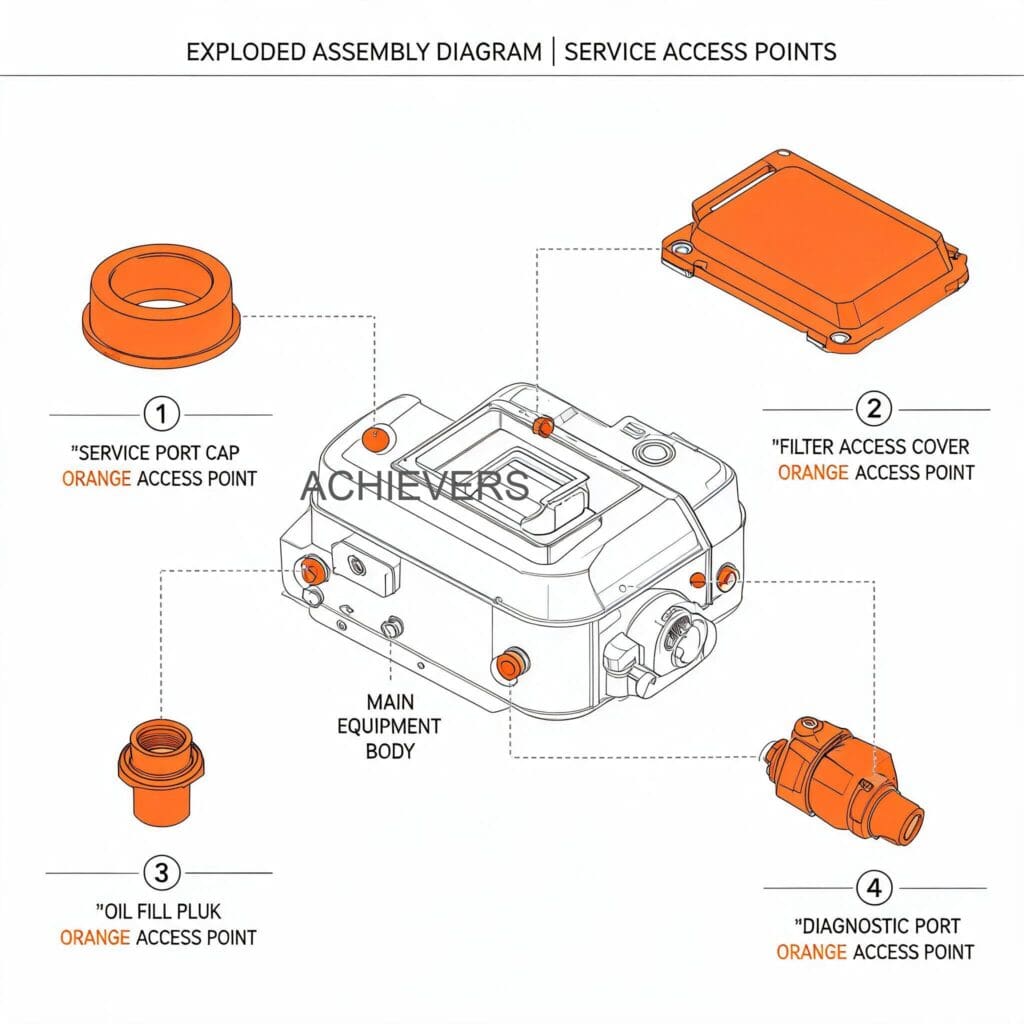
3. Step-by-Step Procedures for Key Tasks
Standard operating procedures (SOPs) remove the guesswork from maintenance. Below are two critical procedures that directly impact your equipment's longevity and accuracy.
Procedure 1: Cleaning the Inline Strainer/Filter
A blocked strainer restricts flow, causing the pump to cavitate. Cavitation introduces air bubbles into the fluid stream, which the flow meter will register as liquid, artificially inflating your batch totals and causing inventory discrepancies.
- Lock Out / Tag Out (LOTO): Disconnect the power supply to the pump motor (whether 220V AC or 12V/24V DC). Turn off any upstream isolation valves from the main storage tank or bowser.
- Relieve System Pressure: Squeeze the auto shut-off nozzle trigger into a safe receptacle to bleed off any residual line pressure (up to 3 Bar).
- Locate the Strainer Housing: Identify the filter housing, typically located on the suction side of the transfer pump.
- Unbolt the Cover: Using the appropriate wrench, carefully loosen the bolts or threaded cap. Keep a drip tray underneath to catch residual diesel.
- Extract the Mesh Element: Pull out the stainless steel wire mesh or disposable filter element. Inspect the mesh for tears. If torn, it must be replaced immediately.
- Clean the Element: Submerge the reusable stainless mesh in a clean solvent bath. Use a soft bristle brush to remove embedded particulate, rust, or biological algae growth. Do not use wire brushes.
- Blow Dry: Use low-pressure compressed air (blowing from the inside out) to clear the remaining solvent and dislodge trapped micro-particles.
- Reassemble and Prime: Inspect the housing O-ring for pinching or swelling. Replace if necessary. Seat the filter, tighten the cap evenly, open the isolation valves, and run the pump to purge air from the system.
Procedure 2: Oval Gear Meter Calibration Verification
Even the most robust meters experience slight mechanical wear over millions of liters. Regular proving ensures your cumulative totalizer remains the single source of truth for your fuel inventory.
- Procure a Proving Can: Obtain a certified, temperature-compensated volumetric proving measure (typically 20 or 50 liters).
- Prime the System: Dispense a small amount of diesel back into your bulk tank to ensure the hose is packed tight with fuel and all air is purged.
- Zero the Counter: Reset the digital batch counter on the dispenser display to 0.
- Dispense the Test Volume: Place the nozzle into the proving can. Dispense fuel at a normal, steady flow rate until the liquid level reaches the zero mark on the proving can's sight glass.
- Compare the Readings: Read the exact volume displayed on the dispenser's digital batch counter.
- Calculate the Error Percentage: Subtract the actual volume (proving can) from the indicated volume (dispenser), divide by the actual volume, and multiply by 100.
- Evaluate Against Tolerance: If the error is within ±0.5%, no action is required. If it exceeds this threshold, electronic calibration is necessary.
- Adjust the K-Factor: Enter the digital meter's calibration mode (refer to the specific CE-130 or CE-204 manual sequence). Adjust the K-factor/calibration coefficient accordingly, save the settings, and repeat the proving test to verify the correction.
4. On-Site Spare Parts to Stock
Supply chain delays shouldn't cause operational downtime. For remote sites, carrying a baseline inventory of consumable parts is a highly recommended best practice. If you are operating Fuel Nozzles across multiple vehicles, standardize your spares where possible.
| Part Description | Type | Recommended Qty (per 5 units) | When to Replace |
| — | — | — | — |
| Inline Filter Elements | Consumable | 3 | Every 6 months, or if torn/heavily soiled |
| Housing O-Ring Kit | Consumable | 2 sets | Whenever a housing is opened |
| Auto Shut-Off Brass Nozzle | Wear Part | 1 | If the auto-shutoff fails or the spout is bent |
| 4 m Rubber Delivery Hose | Wear Part | 1 | If wire braid is exposed or end fittings leak |
| Pump Vane/Gear Set | Overhaul Kit | 1 | After 3-5 years, or if flow drops below 60 LPM |
| Digital Display PCB | Electronic Spare | 1 | If the screen blanks or fails to count pulses |
Common Mistake to Avoid
Bypassing the inline filter. When site operators experience slow flow rates, they occasionally remove the clogged mesh strainer to "get the job done." Removing the filter allows microscopic debris directly into the high-accuracy oval gears. This destroys the meter’s ±0.5% precision almost instantly, scores the chamber, and leads to a catastrophic, expensive mechanical failure.
5. Diagnosing Maintenance-Related Failures
When operators report an issue, the root cause is frequently traced back to a skipped preventive maintenance task. Use this troubleshooting table to quickly link failure symptoms to corrective actions.
| Failure Symptom | Missed Maintenance Task | Corrective Action |
| — | — | — |
| Flow rate drops significantly (below rated 60 LPM) | Monthly strainer cleaning | Isolate pump, remove, and thoroughly clean or replace the suction side strainer. |
| Nozzle shuts off prematurely or won't shut off | Daily nozzle spout inspection | Clear the small vacuum sensor hole near the tip of the brass nozzle of mud or debris. |
| Digital batch counter is erratic or inaccurate | Annual meter gear inspection | Open meter housing; check for debris binding the oval gears or failing magnetic pulse sensors. |
| Pump motor hums but fails to rotate | Quarterly electrical/seal check | Check for low voltage (especially on 12V/24V DC batteries) or a seized mechanical pump seal. |
| Fuel leaking from the hose swivel | Weekly hose & fitting inspection | Replace worn swivel O-rings or replace the delivery hose entirely if threads are stripped. |
| Meter display screen is blank | Monthly terminal inspection | Check the battery housing, replace the internal button battery, or check the main DC/AC power feed. |

6. Extending Service Life in Harsh Global Conditions
Industrial environments globally present unique challenges that standard factory conditions do not. Whether you are dealing with the extreme heat of the Middle East, sub-zero winters in North America, or heavy particulate dust in global mining operations, adjusting your maintenance posture is critical.
Extreme Ambient Temperatures:
In high-heat environments, diesel fuel expands, increasing internal pressure within the enclosed hoses and pump chambers. Ensure the internal bypass valve within the transfer pump is tested quarterly to ensure it can relieve excess pressure safely. In sub-zero conditions, any water condensation within the fuel will freeze, instantly locking up the oval gears. Frequent draining of water from the main bulk tank and utilizing water-absorbing filters are mandatory in cold climates.
Heavy Dust and Abrasive Environments:
For open-pit mining or cement plant operations, the primary enemy is silica dust. Dust naturally clings to the residual diesel film on the nozzle spout. If not wiped down daily, this abrasive paste is forced into your vehicle's fuel tank, eventually damaging the engine's fuel injectors. Invest in heavy-duty, spring-loaded nozzle holsters that seal the spout away from ambient dust when not in use.
Unstable Off-Grid Power:
For portable units running on field generators or inconsistent grid power (220V/440V AC), voltage spikes can fry the sensitive digital PCB of the Diesel Flow Meter. It is highly recommended to install industrial surge protectors inline before the dispenser motor. For 12V/24V DC truck-mounted configurations, ensure the heavy-gauge wiring is properly routed away from exhaust heat sources and shielded against mechanical abrasion to prevent grounding out.
Managing Fuel Contamination (Water and Algae):
Biodiesel blends are highly hygroscopic, meaning they absorb moisture from the air. Over time, this water drops to the bottom of the bowser, creating a breeding ground for microbial growth (diesel algae). This sludge will rapidly clog the 60 LPM dispensing system. Implement a rigorous tank housekeeping program that includes biocide treatments and periodic bottom-draining of the mobile storage tank before the fuel ever reaches the dispenser's inlet.
FAQ
Q: How often should we verify the calibration of the flow meter?
A: For commercial operations tracking critical inventory, calibration verification using a certified proving can should be conducted every six months. In highly abrasive environments, or if flow rates exceed 500,000 liters, quarterly checks are recommended.
Q: Can I use this diesel dispenser to transfer petrol, aviation fuel, or harsh chemicals?
A: No. The internal seals, O-rings, and motor enclosures on standard diesel units are specifically designed for the viscosity and flash point of diesel, biodiesel, and kerosene. Using volatile fluids like petrol poses a severe explosion risk and will immediately degrade the internal seals.
Q: What causes the automatic shut-off nozzle to fail continuously?
A: The most common cause is a blockage in the vacuum sensor port—a small hole located near the tip of the spout. If mud, dirt, or crystallized fuel blocks this hole, the nozzle cannot sense changes in air pressure and will either fail to shut off or shut off prematurely.
Q: Are the digital meter displays weather-resistant for outdoor mounting?
A: Yes, they are designed with weatherproof housings suitable for standard outdoor environments. However, if the unit is permanently mounted outdoors in regions with extreme torrential rain or continuous direct UV exposure, installing a simple weather shield over the unit will significantly extend the life of the LCD display and keypad.
Q: Why is my dispensing flow rate suddenly dropping below the rated 60 LPM?
A: A sudden drop in flow rate is almost always a suction-side restriction. The first and most critical step is to check and clean the inline mesh strainer. Secondary causes include low voltage to the DC motor, a clogged breather vent on the main bulk tank, or internal bypass valve spring wear.
Q: Does the compact DC model run off standard truck batteries?
A: Yes, the compact units are available in 12V DC or 24V DC configurations specifically designed to be wired directly into heavy-duty truck, tractor, or generator batteries, making them fully independent for off-grid field fueling.
Q: How do we prevent unauthorized fuel usage from these mobile units?
A: Ensure the system is wired with a master isolation switch inside the locked cab of the truck or bowser. Additionally, utilize the unit's built-in totalizer—which cannot be reset by operators—to reconcile dispensed fuel against daily vehicle logs and bulk tank inventory.
By taking a proactive stance on fluid handling maintenance, you are protecting much more than just a pump—you are safeguarding your daily operational output and fuel budget. If your current mobile fueling setup is struggling with accuracy, experiencing frequent breakdowns, or if you need to upgrade to a system with reliable, precision metering tailored to your exact site requirements, we are here to help. Contact the team at Achievers Pumps and Valves today with your required flow rate, application details, and power availability to receive an expert consultation on the right mobile dispensing unit for your operations.